
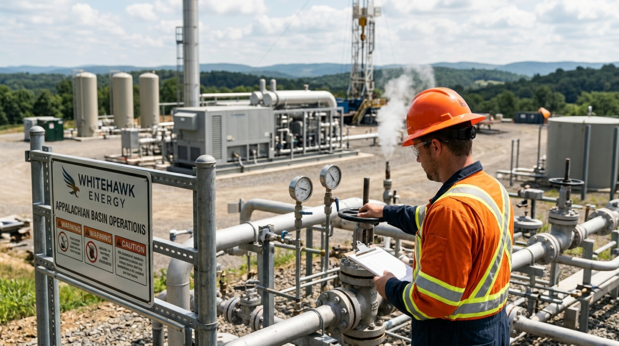
WhiteHawk Minerals has finalized its acquisition of mineral and royalty interests in natural gas assets across the Haynesville shale and the Appalachian Basin, totaling $111.8 million. This strategic move underscores the company’s commitment to expanding its footprint in the energy sector and could have significant implications for American natural gas production and investment.
The acquisition includes valuable assets from the Marcellus and Utica formations in Appalachia, which are known for their rich natural gas reserves. By securing these interests, WhiteHawk positions itself to tap into the ongoing demand for natural gas, a critical component of the U.S. energy landscape. This transaction reflects a broader trend of investment in domestic energy resources, which is vital for ensuring energy security and reliability.
Natural gas has increasingly become a cornerstone of energy production in the United States, providing a cleaner alternative to coal and supporting the transition to renewable energy sources. The assets acquired by WhiteHawk are strategically located in regions with established infrastructure, which can help facilitate efficient extraction and distribution. This not only enhances the company’s operational capabilities but also contributes to the overall stability of the American energy supply chain.
Furthermore, this acquisition signals a growing confidence among investors in the oil and gas sector. The $111.8 million investment points to the potential for future growth and development in energy production, which can lead to job creation and economic benefits in local communities. As companies like WhiteHawk expand their operations, they contribute to the vitality of the energy market and the broader economy.
While the acquisition presents opportunities, it does not come without challenges. The oil and gas industry faces ongoing scrutiny regarding environmental concerns and regulatory compliance. However, WhiteHawk’s focus on mineral and royalty interests may mitigate some operational risks, as these assets typically require less capital investment compared to traditional drilling operations. This strategy allows the company to maintain a flexible approach while navigating the complexities of the energy sector.
The completion of this acquisition also highlights the importance of modernization and investment in energy infrastructure. As the demand for natural gas continues to rise, companies are increasingly recognizing the need to enhance their production capabilities and adapt to changing market dynamics. WhiteHawk’s proactive approach to securing these assets could serve as a model for other companies in the industry, emphasizing the value of strategic investments.
In conclusion, WhiteHawk’s $111.8 million acquisition of natural gas assets in the Haynesville shale and Appalachian Basin marks a significant development in the energy sector. This move not only strengthens the company’s position in the market but also supports the broader goals of energy production and investment in the United States. As the industry evolves, such acquisitions will play a crucial role in ensuring a reliable and sustainable energy future for American consumers and businesses alike.