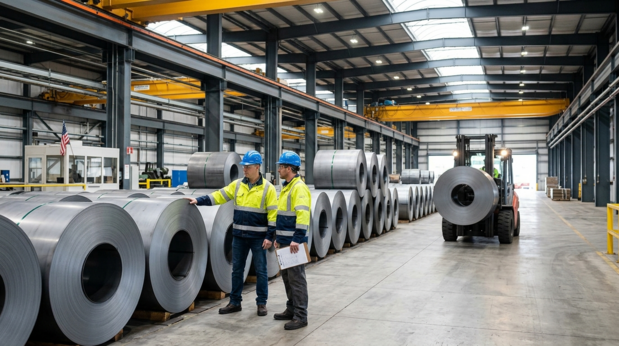
Several U.S. steel industry groups are advocating for tighter trade measures on steel imports from South Korea, a move that underscores the ongoing efforts to bolster domestic steel production. The proposed measures include a South Korea-specific tariff-rate quota (TRQ) and an investigation into a significant increase in imports from the country. This initiative reflects a broader strategy to enhance the competitiveness of American steel and could have meaningful implications for the industry and its workforce.
The call for these trade measures comes amid concerns that the influx of South Korean steel is undermining domestic production capabilities. Industry advocates argue that without protective measures, American steel manufacturers may struggle to compete, particularly as global demand for steel remains robust. By implementing a TRQ, U.S. steel producers could potentially stabilize prices and ensure a more level playing field against foreign competition.
This situation is not new; U.S. steel manufacturers have long been vocal about the challenges posed by foreign imports. The recent push for stricter trade measures serves as a reminder of the ongoing dynamics within the global steel market. The proposed TRQ would specifically limit the volume of South Korean steel entering the U.S. market, which could help mitigate the impact of surging imports on local production.
The implications of these measures extend beyond just the steel industry. A stronger domestic steel sector could bolster related industries, from construction to manufacturing, enhancing overall economic resilience. Steel is a fundamental material used in various sectors, and ensuring its availability from domestic sources could support infrastructure projects and manufacturing growth, which are vital for the American economy.
Moreover, the call for tighter trade measures aligns with a broader trend of prioritizing domestic production in key industries. As supply chain vulnerabilities have been highlighted in recent years, there is a growing recognition of the importance of having robust domestic capabilities. By advocating for protective measures, industry groups are seeking to reinforce not only the steel sector but also the entire supply chain that relies on this critical material.
Despite the potential benefits, the proposal is not without its challenges. Trade measures can lead to tensions between countries and may provoke retaliatory actions. Additionally, there is a need to balance protectionism with the realities of a global economy, where collaboration and trade are essential for growth. However, the current advocacy for a TRQ indicates a proactive approach to managing these complexities while aiming to secure the future of American steel production.
In conclusion, the efforts by U.S. steel industry groups to implement stricter trade measures on South Korean imports highlight a significant moment for the American steel sector. These proposed actions could serve to enhance domestic production capabilities, support related industries, and strengthen the overall economy. As discussions continue, the focus remains on finding a sustainable path that fosters growth while addressing the challenges posed by international competition.