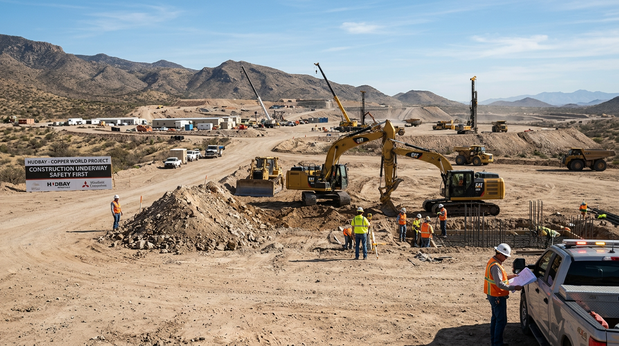
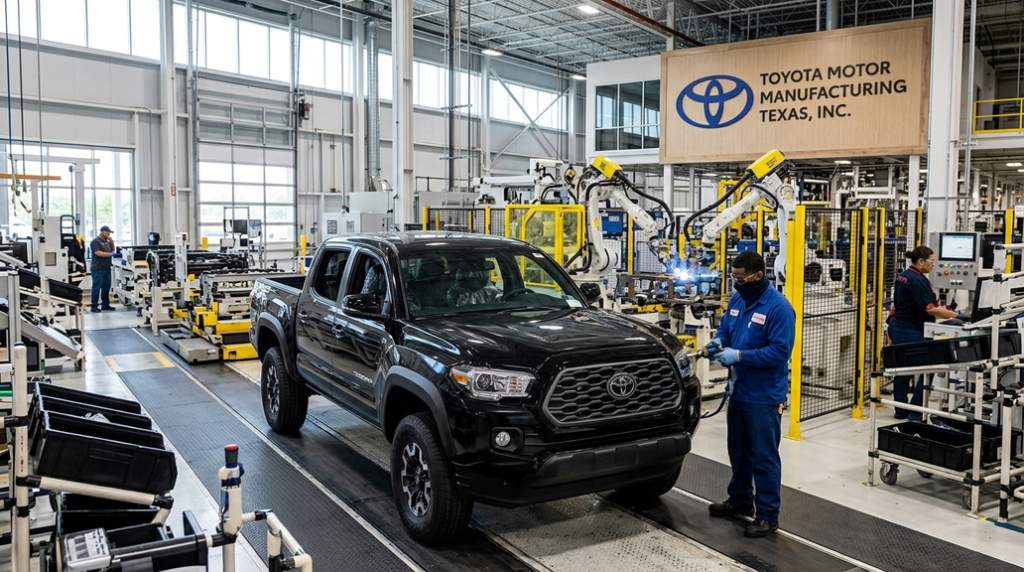
Toyota Motor Corporation is planning a major shift in the production of its popular Tacoma midsize pickup truck, moving most manufacturing from Mexico back to the United States. The company revealed a $3.6 billion investment to expand and upgrade its San Antonio, Texas assembly plant, aiming to bring a significant portion of Tacoma production stateside by 2030.
Currently, the fourth-generation Tacoma, which launched in 2024, is built exclusively at Toyota’s Tijuana, Baja California, Mexico facility. Production in the U.S. halted after the 2021 model year. The planned investment will add a second vehicle assembly line at the San Antonio plant, nearly doubling its annual capacity from roughly 200,000 to 350,000 units. Toyota expects the expansion to create more than 2,000 new American manufacturing jobs.
This relocation reflects Toyota’s strategic move to build a more locally balanced manufacturing footprint in North America and enhance its competitive production system. Although most production will shift to Texas, Toyota will continue to manufacture some Tacomas at its Guanajuato, Mexico plant.
The multi-year process to transfer production is expected to take about four years and represents a significant industrial investment in Texas’ auto manufacturing sector. The expanded San Antonio facility will also grow by approximately 2.5 million square feet by the end of the decade.
This shift underscores a broader trend among automakers reassessing supply chains and production locations in response to market demands and economic considerations. For the American manufacturing workforce, the addition of thousands of jobs tied to a well-known vehicle model like the Tacoma points to continued opportunities in automotive assembly and related sectors.
With the Tacoma being a core product in Toyota’s U.S. lineup, the move to increase domestic production capacity aligns with recent industrial investments aimed at strengthening supply chains, reducing logistical complexity, and supporting local economies.