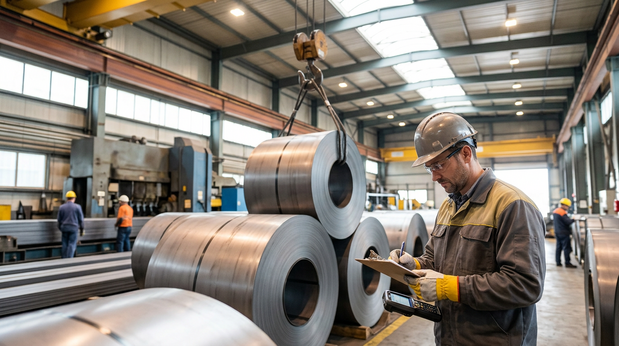
Steel buyers are forecasting an increase in prices while reporting stable to improving demand in the near future. This outlook is significant as it reflects the dynamics of supply and demand within the steel industry, which plays a crucial role in various sectors, including construction and manufacturing. The anticipated price rise can be attributed to leaner supply chains, which are enabling faster movement of inventories compared to last year.
A recent poll of steel buyers indicates that many are experiencing quicker inventory turnover, a development linked to limited availability of steel. As supply chains become more streamlined, companies are finding ways to manage their stock more efficiently, which can help mitigate some of the pressures associated with fluctuating prices. This efficiency is essential for maintaining production schedules and meeting customer demands, reinforcing the importance of adaptive supply chain strategies in the industry.
Despite differing opinions regarding the impact of tariff policies, many buyers still find imported steel appealing due to competitive pricing and availability. This factor underscores the ongoing complexity of the steel market, where domestic and international sources must be evaluated based on cost, quality, and lead times. Buyers are navigating these challenges while striving to secure reliable materials for their operations, demonstrating resilience in a fluctuating market environment.
Concerns remain about lead times and quality when it comes to imports, indicating that while buyers are attracted to lower prices, they must also consider the implications for their production processes. This balancing act highlights the ongoing need for businesses to assess their supply chain strategies continually. Companies that can adapt to these challenges while ensuring quality and reliability will likely strengthen their competitive position in the market.
The current landscape reflects a broader trend of reshoring, where some companies are reconsidering their reliance on foreign suppliers. This shift could support local economies and create jobs, as businesses invest in domestic production capabilities. While reshoring efforts may take time to fully materialize, the attention to local sourcing is a positive sign for American manufacturing and industry, fostering a more resilient economic framework.
Furthermore, the stability in demand for steel suggests that industries reliant on this material are maintaining operational momentum. As construction and manufacturing sectors continue to recover and grow, the demand for steel is expected to remain robust. This sustained demand can help bolster investment in production facilities and infrastructure, further solidifying the industry’s foundation.
In conclusion, the outlook for the steel market, characterized by anticipated price increases and stable demand, reflects a complex interplay of supply chain dynamics and market strategies. As companies adapt their operations to navigate these challenges, the focus on efficiency and reliability could pave the way for a more resilient steel industry. This development is not just significant for steel buyers but also for the broader American economy, as it highlights ongoing investment and adaptation within critical sectors. The ability to move inventories faster and manage supply chains effectively will be essential in supporting continued growth and stability in the industry.