
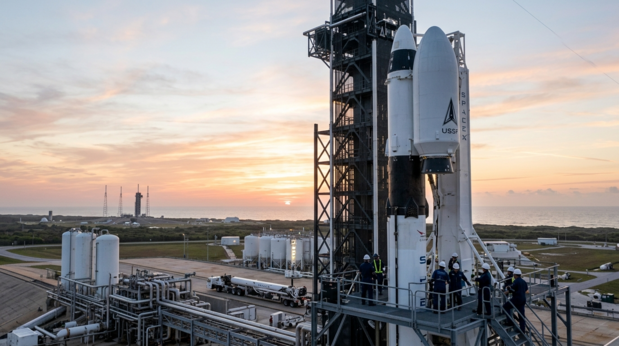
SpaceX has secured a $1.6 billion contract to launch satellites for the U.S. Space Force, a significant development that underscores the ongoing collaboration between private industry and government in the realm of national security and technological advancement. This contract is particularly notable as it marks the first award following a substantial funding increase for the Space Force earlier this year, reflecting a renewed commitment to enhancing the nation’s defense capabilities through advanced space technology.
The task order involves launching satellites specifically designed for ‘sensing and targeting’ purposes, which are crucial for modern military operations. These satellites will enhance the Space Force’s ability to gather intelligence and improve situational awareness, ultimately supporting the U.S. military in a rapidly evolving global landscape. By leveraging SpaceX’s launch capabilities, the Space Force aims to deploy these critical assets efficiently and effectively, ensuring that the U.S. maintains its competitive edge in space.
This contract not only signifies a substantial financial investment but also highlights the increasing reliance on private aerospace firms to fulfill government needs. SpaceX, known for its innovative approach and cost-effective launch solutions, has become a key player in the defense sector. The partnership between SpaceX and the U.S. government reflects a broader trend of integrating commercial capabilities into national defense strategies, which can lead to enhanced operational efficiency and reduced costs.
The timing of this contract aligns with a broader push by the Space Force to modernize its satellite capabilities and improve its overall infrastructure. The increased funding received in July indicates a strategic prioritization of space assets, which are vital for national security. As the demand for advanced sensing technologies grows, contracts like this one signal a proactive approach to meeting those needs, thereby ensuring readiness for future challenges.
Moreover, the contract is expected to create jobs and stimulate local economies in areas connected to SpaceX’s operations. As the company ramps up its launch schedule, it will likely require additional skilled workers, from engineers to technicians, further supporting workforce development in the aerospace sector. This aspect of the contract underscores the potential for positive impacts on employment and industry growth in communities where these jobs are based.
While challenges such as tight timelines and technological hurdles remain, the commitment to launching these satellites reflects a significant step forward in enhancing U.S. defense capabilities. The collaboration between SpaceX and the Space Force serves as a model for future partnerships that can leverage private sector innovation to address public sector needs.
In conclusion, the $1.6 billion contract awarded to SpaceX for launching sensing and targeting satellites is a noteworthy development in the landscape of American defense and aerospace. It highlights the ongoing investment in space technology, the importance of public-private partnerships, and the potential benefits for local economies and skilled workers. As the U.S. continues to navigate the complexities of national security in the modern age, developments like this one will play a crucial role in shaping the future of defense strategies and capabilities.