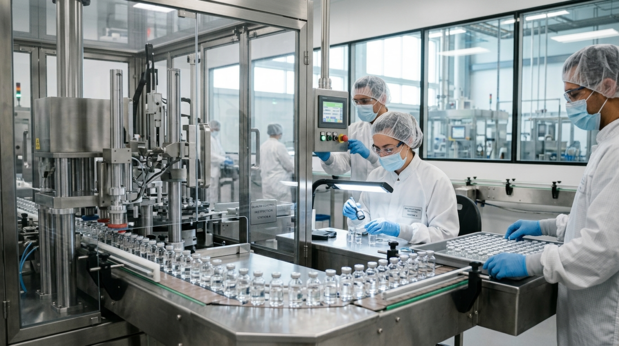
Seven pharmaceutical companies, including industry leaders Eli Lilly and Regeneron, have been selected for the FDA’s PreCheck pilot program, a new initiative designed to enhance the resilience of the U.S. drug supply chain. This program aims to expedite the review process for new manufacturing facilities, which could lead to increased production capacity and efficiency in the pharmaceutical sector. The inclusion of these prominent companies underscores a commitment to bolstering domestic drug manufacturing and ensuring a reliable supply of essential medications.
The FDA’s PreCheck program is a response to ongoing challenges in the pharmaceutical supply chain, which have been exacerbated by recent global disruptions. By facilitating quicker approvals for new facilities, the initiative seeks to address potential bottlenecks and improve the overall reliability of drug availability in the U.S. market. This move reflects a broader trend towards investing in domestic production capabilities, which can enhance national security and reduce dependency on foreign supply chains.
Eli Lilly and Regeneron, both well-established in the industry, bring significant expertise and resources to the program. Their participation is expected to foster innovation and operational improvements within the pharmaceutical manufacturing landscape. As these companies work to expand their manufacturing footprints, they could create new job opportunities and support skilled labor in local communities, contributing to economic growth.
The other companies selected alongside Lilly and Regeneron include Amneal Pharmaceuticals, Cellares, Fujifilm Biotechnologies, Kriya Therapeutics, and Kyowa Kirin. Each of these firms brings unique capabilities that could enhance the diversity and robustness of the U.S. pharmaceutical supply chain. The collaborative nature of this initiative may lead to shared best practices and technological advancements that benefit the entire industry.
The PreCheck program is not without its challenges. Companies must still navigate regulatory requirements and ensure compliance with safety standards. However, the streamlined process could help mitigate some of the delays commonly associated with new facility approvals. This could ultimately lead to a more agile and responsive manufacturing environment, better equipped to meet the evolving demands of the healthcare sector.
Moreover, the initiative aligns with ongoing efforts to modernize the U.S. pharmaceutical industry. By prioritizing domestic manufacturing, the FDA is signaling a commitment to fostering a sustainable and innovative industry that can respond effectively to public health needs. This focus on local production is particularly relevant in a post-pandemic landscape, where the importance of a robust supply chain has been brought to the forefront.
In conclusion, the selection of Eli Lilly, Regeneron, and five other companies for the FDA’s PreCheck pilot program marks a significant step towards strengthening the U.S. drug supply chain. By enhancing the approval process for new manufacturing facilities, this initiative could support increased production capacity and reliability. As these companies work to expand their operations, the potential for job creation and economic development in local communities remains a promising aspect of this program, contributing positively to the overall landscape of American industry and healthcare.