The Senate Armed Services Committee is taking steps to limit the construction of U.S. Navy vessels in foreign shipyards. This move involves revoking the president’s existing authority to approve offshore ship construction, a change that could significantly impact domestic shipbuilding capabilities and the broader defense industry. This decision reflects ongoing concerns about national security and the importance of maintaining a robust domestic industrial base for military needs.
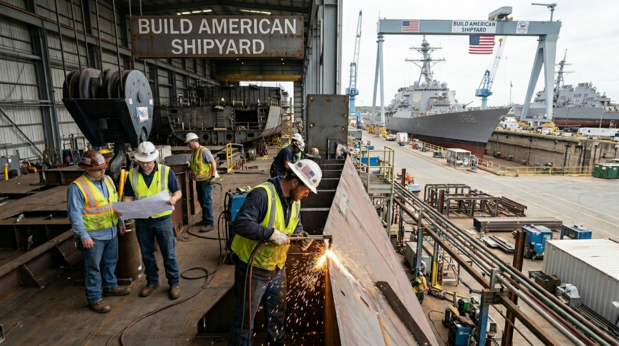
The proposed changes come amid increasing scrutiny of the U.S. Navy’s shipbuilding practices, particularly as the military looks to modernize its fleet. By limiting the ability to outsource ship construction, the committee aims to bolster American shipyards, which could enhance local economies and create job opportunities in the sector. The emphasis on domestic production aligns with a larger trend of prioritizing local industry in various sectors, including defense.
In recent years, the U.S. has faced challenges in maintaining its naval fleet, with some ships being retired earlier than planned. This has raised alarms within the military and among policymakers about the need for a more sustainable shipbuilding strategy. By keeping construction within U.S. borders, the committee believes it can better ensure that the Navy has the vessels it requires to meet its operational demands.
The implications of this decision extend beyond just shipbuilding. A shift towards domestic production could strengthen supply chains that support not only shipyards but also associated industries, such as steel manufacturing and component suppliers. This interconnectedness is vital for ensuring that American workers remain engaged in skilled jobs that contribute to national defense and economic stability.
While some industry experts express concern that limiting offshore construction could lead to increased costs and delays in ship delivery, proponents argue that the benefits of a secure and self-reliant shipbuilding industry outweigh these potential drawbacks. Maintaining a strong industrial base is seen as critical for national security, particularly in light of global geopolitical tensions.
The Senate Armed Services Committee’s actions underscore a growing recognition of the need to prioritize domestic capabilities in defense production. As the U.S. Navy continues to navigate its modernization efforts, this shift could serve as a foundational step towards ensuring that American shipyards remain competitive and capable of meeting future demands.
In conclusion, the move by the Senate Armed Services Committee to limit foreign ship construction marks a significant policy shift that could have lasting effects on the U.S. defense landscape. By focusing on domestic production, the committee aims to enhance national security and support American workers, reflecting a broader commitment to strengthening the industrial capacity that underpins the nation’s military readiness.