Seattle’s Sound Transit has taken a significant step forward by approving a revised plan that aims to fully fund the construction of essential transit projects across Washington state. This decision comes despite an estimated funding gap of $34.5 billion, underscoring the challenges facing public transportation infrastructure in the region. The revised plan reflects a commitment to enhancing transit options for residents, even as some projects may be deferred to address financial constraints.
The approved plan focuses on key projects that are crucial for improving connectivity and reducing congestion in the Seattle metropolitan area. By prioritizing certain developments, Sound Transit aims to maximize the impact of available funding, which could ultimately benefit local communities and their economies. This strategic approach highlights the agency’s dedication to advancing infrastructure, even in the face of budgetary challenges.
Sound Transit’s decision to move forward with the revised plan is part of a broader effort to enhance public transportation options in the region. The agency has stated that while some projects may be postponed, the approved initiatives will still contribute to a more integrated transit system. This could lead to improved access for workers and residents, fostering a more efficient and sustainable transportation network.
The funding gap that Sound Transit faces is not unique to the Seattle area; many transit agencies across the United States are grappling with similar financial hurdles. The challenges of maintaining and expanding infrastructure are compounded by rising costs and fluctuating revenue streams. However, the proactive measures taken by Sound Transit could serve as a model for other regions seeking to navigate similar funding issues.
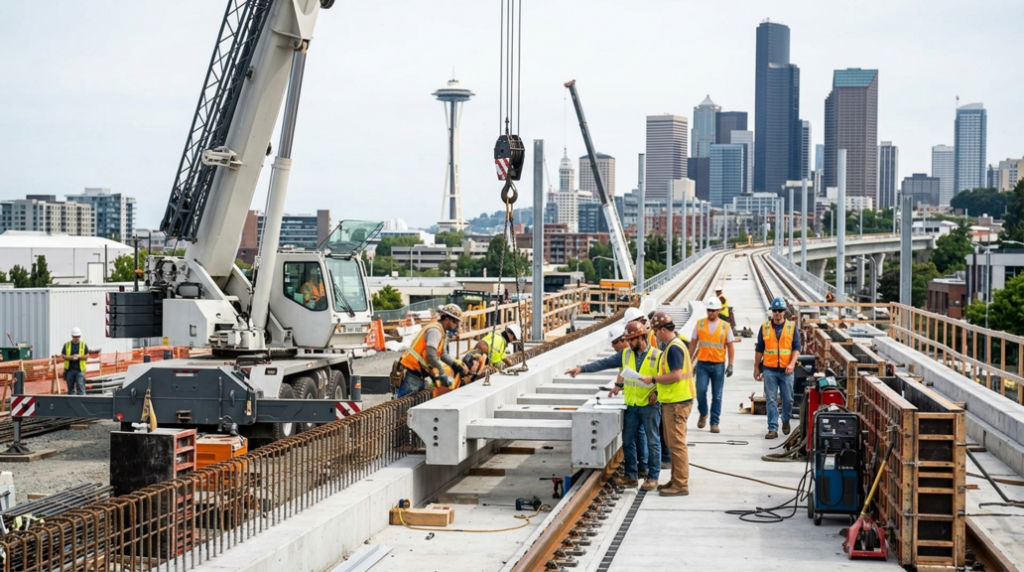
Additionally, the revised plan may have implications for local job markets. Construction and related industries often see increased demand during infrastructure projects, potentially creating jobs for skilled workers. As transit projects move forward, there could be opportunities for employment in construction, engineering, and other related fields, contributing to the local economy.
Moreover, improved public transportation can enhance overall quality of life for residents by providing better access to jobs, education, and services. As Sound Transit continues to develop its projects, the long-term benefits may include reduced traffic congestion and lower emissions, supporting broader goals of sustainability and urban development.
While the funding gap remains a significant concern, Sound Transit’s commitment to advancing its projects reflects a determination to enhance public transportation in the region. The agency’s actions may encourage further investment and support for infrastructure improvements, which are essential for maintaining American competitiveness in a rapidly evolving economy.
In conclusion, Sound Transit’s revised plan marks a critical step in addressing the infrastructure needs of the Seattle area. By prioritizing key projects and adapting to financial realities, the agency aims to continue its mission of providing reliable and efficient public transportation, which could have lasting benefits for local communities and the economy as a whole.