
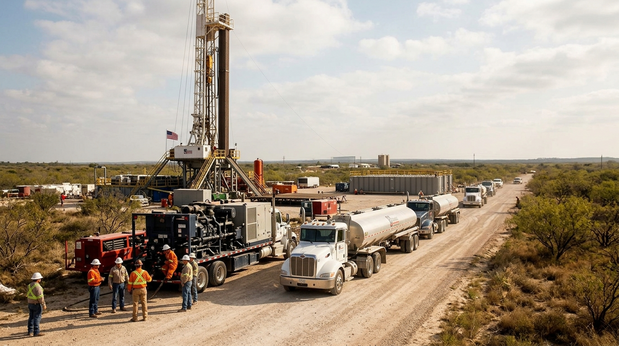
Eagle Ford Shale operators are reigniting interest in South Texas through new drilling initiatives and capital investments, signaling a renewed focus on this mature oil basin. This resurgence is noteworthy for its potential implications for American energy production, local economies, and the skilled workforce in the region. As companies explore new drilling techniques and refracturing existing wells, they are not only aiming to increase output but also to enhance the efficiency of operations in a competitive market.
The Eagle Ford Shale, once a leading player in the U.S. oil boom, has seen fluctuations in interest over the years due to changes in market dynamics and production costs. However, the current wave of investment reflects a strategic pivot by operators who are optimistic about the basin’s remaining potential. New drilling techniques, combined with advancements in technology, are allowing companies to tap into previously inaccessible resources, thereby expanding the operational capabilities of the region.
Industry analysts point out that this renewed activity could help stabilize local economies that depend heavily on oil and gas production. The influx of capital not only supports drilling operations but also has a multiplier effect on local businesses, from equipment suppliers to service providers. This interconnectedness underscores the importance of the energy sector as a backbone of economic activity in South Texas.
Moreover, the focus on refracturing old wells is particularly significant. Refracs involve re-stimulating existing wells to increase their production rates, which can be a more cost-effective strategy than drilling new ones. This approach not only maximizes the output from existing infrastructure but also minimizes environmental impacts associated with new drilling sites. As operators increase their efficiency, they contribute to a more sustainable model of energy production that aligns with contemporary environmental considerations.
The skilled workforce in the region stands to benefit from this revitalization as well. With increased drilling and refracturing activities, there is a growing demand for skilled labor, from engineers to technicians. This demand can lead to job creation and opportunities for local workers to enhance their skills through training programs and on-the-job experience. The focus on skilled labor is crucial for maintaining high safety and operational standards in an industry that is constantly evolving.
While challenges remain, including fluctuating oil prices and regulatory hurdles, the current enthusiasm among Eagle Ford Shale operators reflects a broader trend of resilience and adaptation within the American energy sector. Companies are increasingly looking for ways to innovate and improve their operations, which is a positive sign for the industry’s future. The ongoing investments in South Texas not only indicate confidence in the region’s resources but also highlight the importance of strategic planning in navigating the complexities of energy production.
In conclusion, the resurgence of interest in the Eagle Ford Shale is a notable development for American industry and energy production. Through new drilling initiatives and capital investments, operators are demonstrating a commitment to maximizing the basin’s potential while supporting local economies and skilled workers. As this trend continues, it could contribute to a more robust and resilient energy sector that benefits both the region and the country as a whole.