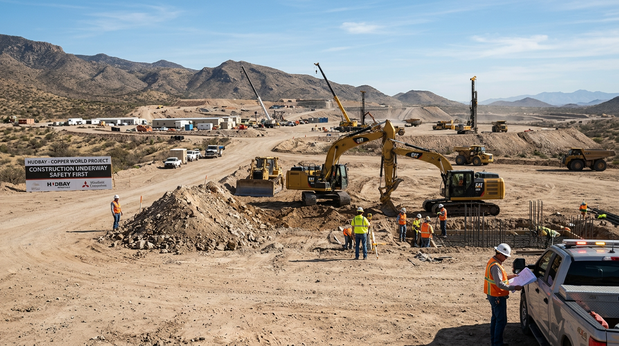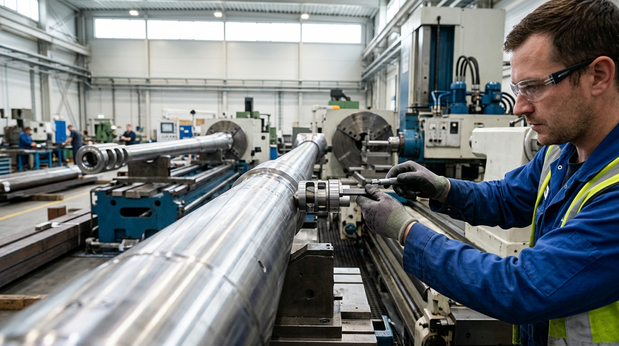
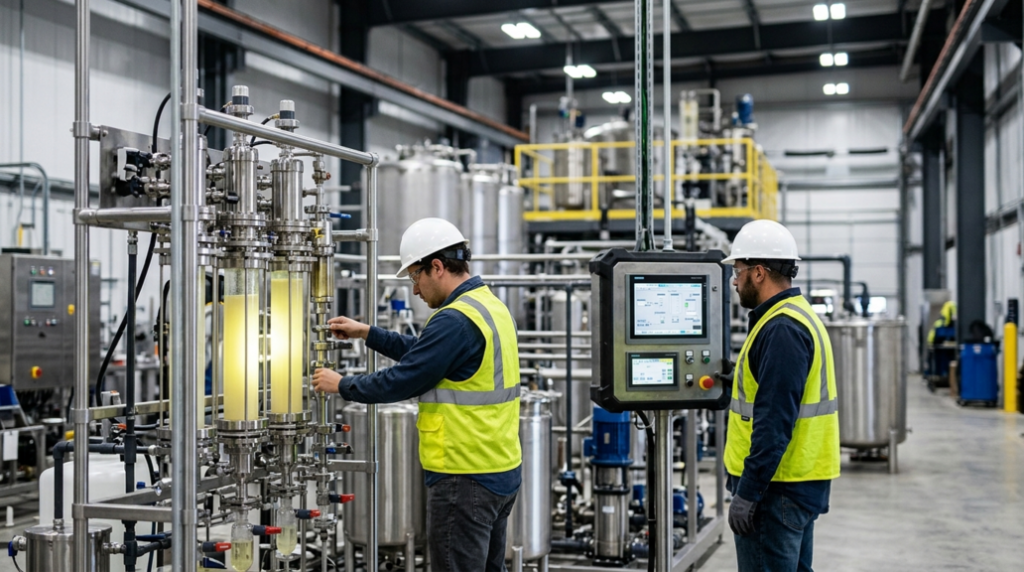
Phoenix Tailings, a mine waste refiner, has been awarded a $66 million grant from the U.S. Department of Energy (DOE) as part of its Rare Earth Demonstration Facility Program. This funding is intended to support the advancement of the company’s rare earth separation technology, which plays a crucial role in recovering valuable materials from mine tailings. The initiative is part of a larger $147.8 million project that includes collaborations with the Massachusetts Institute of Technology (MIT) and the University of Minnesota.
The funding marks a significant step in addressing the growing demand for rare earth elements, which are essential for a variety of high-tech applications, including electronics, renewable energy technologies, and advanced manufacturing. By focusing on the recovery of heavy rare earth materials from domestic sources, Phoenix Tailings aims to enhance the United States’ capacity to produce these critical materials independently, potentially reducing reliance on foreign supply chains.
Phoenix Tailings has been at the forefront of innovation in the mining sector, developing proprietary technologies that allow for more efficient extraction of rare earth elements from various feedstocks. The company’s approach not only seeks to recover valuable resources but also aims to contribute to environmental sustainability by reducing waste associated with mining operations. This aligns with broader industry trends that emphasize the importance of circular economy practices.
The partnership with leading educational institutions like MIT and the University of Minnesota is expected to facilitate the development of next-generation technologies. These advancements could lead to improved efficiency in the recovery process and potentially lower costs associated with rare earth extraction. As the U.S. government continues to invest in clean energy and advanced manufacturing, projects like this one could play a pivotal role in fostering innovation within the domestic supply chain.
In addition to the technological advancements, this funding could have positive implications for American workers. As the demand for skilled labor in the mining and clean technology sectors grows, initiatives like Phoenix Tailings’ project may create new job opportunities in research, engineering, and production. This could support local economies and contribute to a more resilient workforce in the face of changing industry needs.
The development of a robust domestic supply chain for rare earth elements is increasingly seen as a strategic priority for the United States. As global competition intensifies, ensuring access to these critical materials is vital for maintaining leadership in technology and manufacturing. The efforts by Phoenix Tailings to recover rare earths domestically underscore a broader commitment to enhancing industrial capacity and energy security.
In conclusion, the $66 million grant awarded to Phoenix Tailings represents a critical investment in the future of rare earth element recovery in the United States. As the project progresses, it could not only advance technological capabilities but also stimulate economic growth and job creation in the mining and clean technology sectors. This initiative reflects a growing recognition of the importance of domestic production capabilities in fostering a sustainable and competitive industrial landscape.