
Pennsylvania has announced a substantial plan to invest $90 billion in infrastructure over the next 12 years, pending federal review. This ambitious initiative includes $16.9 billion earmarked for state highway and bridge projects and $12.9 billion allocated for public transit within the first four years. Such a comprehensive investment could play a significant role in enhancing the overall infrastructure landscape of the state, which is crucial for supporting economic growth and improving connectivity for its residents.
The proposed funding reflects a strategic approach to address aging infrastructure, which has long been a concern for many communities across Pennsylvania. By focusing on highways, bridges, and public transit, the state aims to modernize critical transportation networks that facilitate commerce and daily travel. Improved infrastructure not only enhances safety but also boosts efficiency, which is vital for local businesses and the economy at large.
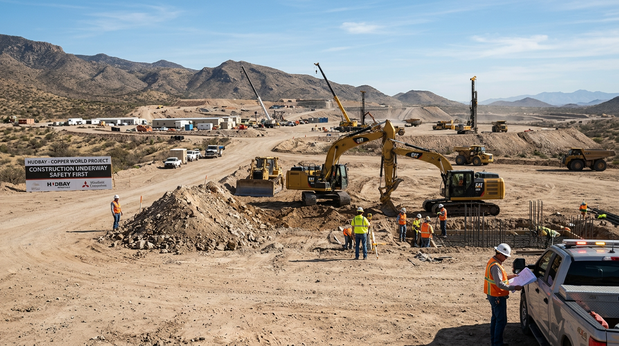
Moreover, the investment is expected to create numerous jobs in construction and related sectors. As projects roll out, local workers will likely benefit from increased employment opportunities, contributing to community stability. The construction industry, which plays a crucial role in Pennsylvania’s economy, stands to gain from this influx of funding, reinforcing the importance of skilled labor in executing these large-scale projects.
This investment plan underscores Pennsylvania’s commitment to improving its infrastructure, aligning with national trends that prioritize modernization. With many states facing similar challenges, Pennsylvania’s proactive approach could serve as a model for other regions looking to enhance their own infrastructure. The funding not only addresses immediate needs but also positions the state for long-term economic competitiveness.
The initial phase of the investment includes significant allocations for public transit, which is vital for reducing congestion and promoting sustainable transportation options. By investing in public transit systems, Pennsylvania aims to provide residents with reliable alternatives to personal vehicles, which can help alleviate traffic and reduce carbon emissions. This focus on sustainability aligns with broader national goals of enhancing energy efficiency and reducing environmental impacts.
While the plan awaits federal review, its potential benefits are clear. By strategically investing in infrastructure, Pennsylvania is taking a proactive step toward building a more resilient economy. These projects could strengthen supply chains, facilitate trade, and improve access to essential services for residents, thereby enhancing the quality of life in local communities.
In conclusion, Pennsylvania’s $90 billion infrastructure investment plan marks a significant commitment to modernizing the state’s transportation systems and supporting economic growth. As the plan moves forward, it could serve as a critical step in addressing infrastructure needs, creating jobs, and fostering a more connected and efficient state. Such developments are essential for ensuring Pennsylvania remains competitive in an increasingly interconnected economy.