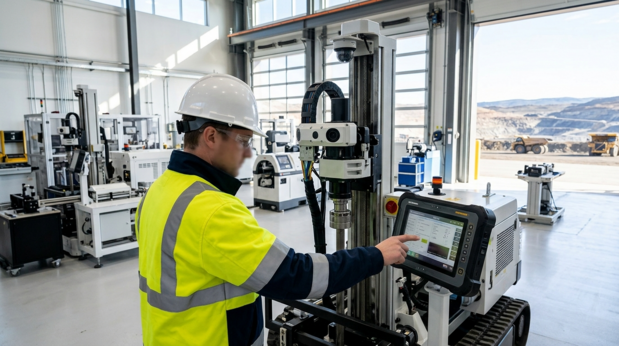
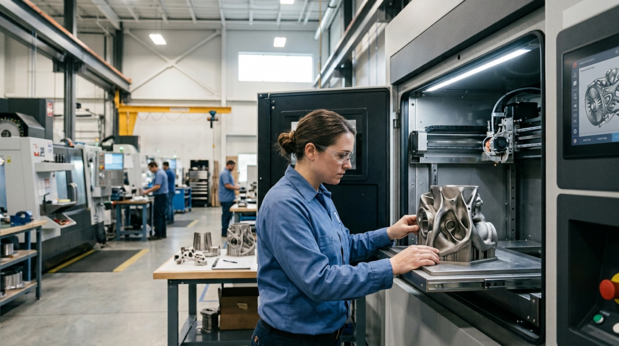
The National Institute of Standards and Technology (NIST) has launched a new pilot program aimed at enhancing the aerospace industry through advancements in additive manufacturing and the establishment of a domestic critical minerals supply chain. This initiative, which will see an investment of approximately $20 million per pilot project, is expected to have significant implications for American industry, particularly for businesses and workers in the aerospace sector.
Additive manufacturing, commonly known as 3D printing, is increasingly being recognized for its potential to revolutionize the production of complex aerospace components. By allowing for greater design flexibility and reducing material waste, this technology could lead to more efficient manufacturing processes. The NIST pilot program is designed to foster innovation in this area, which could ultimately enhance the competitiveness of the U.S. aerospace industry on a global scale.
In addition to promoting advanced manufacturing techniques, the program seeks to develop a reliable domestic supply chain for critical minerals. These minerals are essential for the production of many aerospace components, and establishing a local supply chain could reduce reliance on foreign sources. This shift is particularly important given the increasing geopolitical tensions that can disrupt global supply chains, making domestic sourcing a strategic priority for national security and economic resilience.
The initiative reflects a broader trend within the U.S. government to invest in manufacturing capabilities and infrastructure. By focusing on the aerospace sector, which is a key driver of technological innovation and job creation, this program aligns with ongoing efforts to bolster American manufacturing. The aerospace industry has a significant impact on local economies, providing high-skilled jobs and supporting a wide range of ancillary businesses.
Moreover, the pilot program could serve as a model for future initiatives aimed at other sectors within manufacturing. By demonstrating the effectiveness of targeted investments in technology and supply chain development, NIST is paving the way for similar programs that could enhance productivity and sustainability across various industries. The focus on additive manufacturing and critical minerals is a timely response to both current market demands and future challenges.
While challenges remain, including the need for workforce development and potential regulatory hurdles, the establishment of this pilot program marks a proactive step toward addressing these issues. By investing in training and education related to additive manufacturing technologies, the program could help create a skilled workforce that is better equipped to meet the evolving needs of the aerospace industry.
This initiative is not only about immediate technological advancements but also about fostering a culture of innovation and resilience within American manufacturing. As the aerospace sector continues to evolve, programs like this will be crucial in ensuring that the U.S. remains a leader in aerospace technology and production.
In conclusion, NIST’s pilot program represents a thoughtful investment in the future of the aerospace industry. By focusing on advanced manufacturing techniques and the establishment of a domestic critical minerals supply chain, this initiative has the potential to enhance the competitiveness of American aerospace manufacturers, support job creation, and strengthen the overall resilience of the industry. As these pilot projects unfold, they could offer valuable insights and models for future developments across various sectors of American manufacturing.