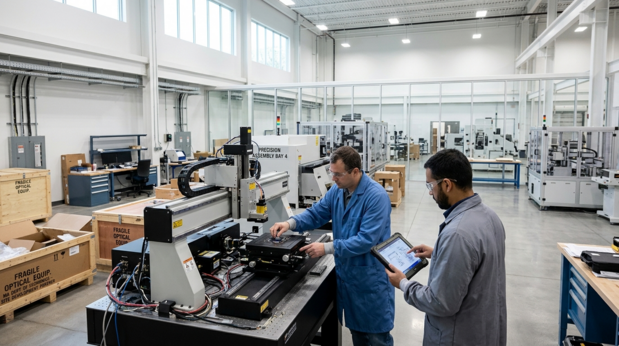
Kopin is preparing space at its Massachusetts plant for production of defense and artificial intelligence hardware, including MicroLED and optical technologies. The move could add domestic manufacturing capacity in components used in advanced systems, while bringing the company’s facilities into position for potential production work.
The reported preparation centers on clearing plant space, rather than announcing a completed expansion or a specific production start date. The available information does not identify the size of the area, the amount of investment, expected output or the number of jobs involved. Those details will help show how much manufacturing capacity the change ultimately adds.
The technologies named in the plan serve different but related roles. MicroLED refers to a display technology, while optical components can help systems capture, process or present information using light. In defense applications, such hardware can be part of equipment used to see or convey information; AI-related hardware can support systems that process data closer to where it is collected. The specific products Kopin intends to make were not detailed.
Preparing production space is an early, practical step in manufacturing readiness. Facilities may need to be arranged around equipment, workflows and quality requirements before output can begin. The company’s action signals preparation for work in these fields, although it does not by itself confirm that production has started or that a particular contract or customer demand is driving the effort.
Domestic production of specialized components can matter to defense supply chains, where access to reliable sources is a consideration. Making more of a product in the United States may also give manufacturers and customers closer access to production capabilities, depending on what is made and how the supply chain is organized. The plant preparation could contribute to that capacity, but its scale and eventual effect remain unclear.
The move also reflects the overlap between defense electronics and technologies being developed for AI systems. Both areas can rely on compact displays, optical hardware and other components that help people or machines interpret information. Expanding the ability to produce such parts can support a broader range of industrial applications, but the announcement does not establish that the same products or production lines will serve both markets.
For Massachusetts, the work keeps attention on the state’s role in producing specialized technology, though the available details do not quantify local economic or workforce effects. The next milestones will be whether Kopin installs or reconfigures equipment, identifies specific products and customers, and begins manufacturing. For now, clearing space marks a measured step toward potential U.S. production of defense and AI hardware.