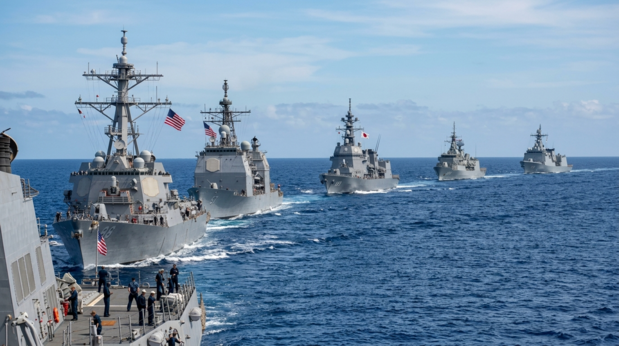
Various ships from different nations are currently making their way across the Western Pacific to participate in the U.S. Navy’s Rim of the Pacific (RIMPAC) exercise set for 2026 in Hawaii. This significant maritime movement underscores the role of international collaboration in enhancing naval capabilities and reflects ongoing activity in the shipbuilding industry, which is crucial for maintaining American naval readiness and competitiveness.
The RIMPAC exercise is recognized as the world’s largest international maritime exercise, drawing participation from numerous allied and partner nations. This year’s event promises to showcase a diverse array of naval vessels and personnel, highlighting the importance of cooperative defense efforts in a rapidly changing global landscape. The ships currently en route not only represent their respective nations but also signify a commitment to shared security and operational readiness in the Pacific region.
The shipbuilding industry plays a vital role in supporting these international exercises. As nations invest in their naval capabilities, the demand for advanced vessels increases. This trend is beneficial for U.S. shipbuilders, as it encourages innovation and modernization in ship design and construction. The ongoing collaboration between nations during exercises like RIMPAC also fosters knowledge sharing and technological exchange, which can enhance the efficiency and effectiveness of naval operations.
Participation in RIMPAC is not merely about military readiness; it also reflects the strategic importance of maritime security in global trade and supply chains. With a significant percentage of global goods transported by sea, ensuring safe and secure shipping routes is essential for economic stability. The exercise provides an opportunity for naval forces to practice joint operations, thereby increasing their capacity to respond to potential threats that could disrupt these vital trade routes.
Moreover, the presence of international ships during RIMPAC serves to strengthen diplomatic ties and build trust among participating nations. These exercises create a platform for countries to engage in dialogue and develop mutual understanding, which can lead to enhanced cooperation in addressing common challenges, such as piracy and humanitarian crises.
While challenges such as logistical coordination and resource allocation exist, the movement of these ships toward Hawaii represents a proactive approach to addressing evolving security dynamics. The commitment to participate in RIMPAC demonstrates a readiness to adapt and respond to the complexities of modern naval warfare.
In conclusion, the transit of international ships to Hawaii for the upcoming RIMPAC exercise highlights the importance of global maritime cooperation and the ongoing investment in naval capabilities. This activity not only supports American naval readiness but also enhances international relationships, bolsters economic stability through secure trade routes, and showcases the dynamic nature of the shipbuilding industry. The exercise will undoubtedly provide valuable insights and strengthen the operational capacity of all participating nations, contributing to a more secure maritime environment.