
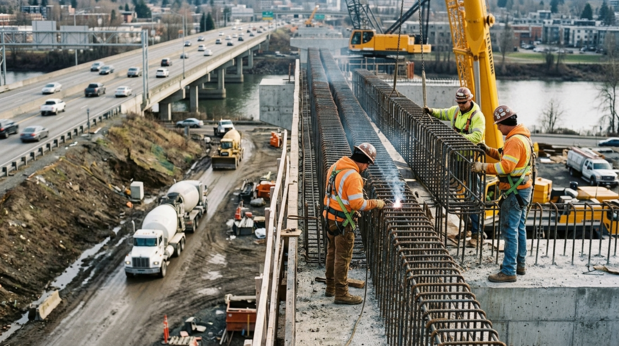
Infrastructure contractors are receiving a temporary reprieve as the deadline for extending federal surface transportation programs under the Infrastructure Investment and Jobs Act (IIJA) has been pushed to December 11. This extension allows contractors to continue planning and executing vital projects, underscoring the importance of stable funding for the nation’s infrastructure needs. While this delay provides some breathing room, it also highlights ongoing concerns about the adequacy of funding, which is crucial for maintaining momentum in American industry.
The IIJA represents a significant investment in the nation’s infrastructure, aiming to modernize roads, bridges, and transit systems across the country. The extension to December 11 not only offers contractors more time to secure necessary funding but also reflects the federal government’s commitment to supporting infrastructure development. Such projects are essential for enhancing productivity and ensuring that the supply chains continue to operate efficiently, particularly in a time when many industries are still recovering from disruptions.
However, the extension comes amid uncertainties regarding the full allocation of funds. While some funding has been approved, not all projects are fully financed, raising questions about the long-term viability of ongoing infrastructure initiatives. For contractors, this situation creates challenges in planning and executing projects, which could ultimately affect local economies that rely on these developments for job creation and economic growth.
The ability to extend deadlines is a critical factor for infrastructure contractors, as it allows them to navigate the complexities of federal funding processes. This flexibility can help maintain project schedules and ensure that contractors can continue to employ skilled workers. With many sectors facing labor shortages, the ability to keep workers engaged through ongoing projects is increasingly important for the overall health of the economy.
Additionally, the extension serves as a reminder of the interconnected nature of infrastructure and economic stability. Reliable transportation infrastructure supports not only the movement of goods but also the daily commutes of workers, which in turn impacts productivity levels across various industries. The ongoing focus on infrastructure development reflects a broader understanding of its role in enhancing the nation’s economic resilience.
As the December deadline approaches, contractors and stakeholders will be closely monitoring the situation, advocating for the necessary funding to ensure that projects can proceed without interruption. The extension provides a temporary solution, but it also emphasizes the need for a more robust and consistent funding strategy for infrastructure initiatives in the future. This is particularly relevant as the nation faces increasing demands for modernization and sustainability in its infrastructure systems.
In conclusion, while the extension of the funding deadline for surface transportation programs is a welcome development for contractors, it also underscores the significant challenges that remain. Ensuring stable and adequate funding for infrastructure projects is vital for supporting American industry, enhancing production capabilities, and fostering local community growth. As stakeholders work toward securing the necessary resources, the focus remains on building a resilient infrastructure that can meet the demands of the future.