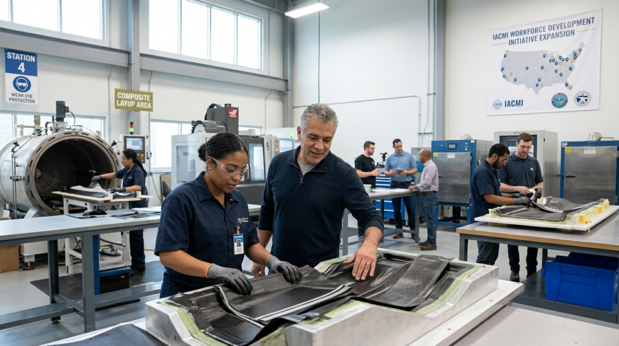
The Manufacturing USA institute, known as IACMI, has announced plans to expand its workforce development programs, specifically the ACE and METAL initiatives, to 53 universities, colleges, and trade schools across the country by 2030. This expansion, supported by the Office of Industrial Base Policy, aims to enhance the nation’s industrial capabilities while providing valuable opportunities for American workers.
The ACE and METAL programs focus on developing skills in advanced manufacturing, particularly in the composites sector, which is crucial for various industries, including defense and aerospace. By increasing the number of educational institutions involved, IACMI seeks to create a robust pipeline of skilled workers ready to meet the growing demands of the manufacturing sector.
This initiative comes at a time when the U.S. manufacturing landscape is undergoing significant changes, driven by technological advancements and evolving industry needs. The push for a more skilled workforce aligns with broader efforts to strengthen the domestic industrial base, ensuring that American companies can compete globally and maintain operational resilience.
By 2030, IACMI aims to reach over 50,000 students through these expanded programs, which could significantly bolster the skilled labor pool in manufacturing. This effort reflects a commitment to modernizing education and training in response to industry demands, thus supporting local economies and communities.
The expansion of these programs also underscores the importance of collaboration between government agencies, educational institutions, and industry stakeholders. Such partnerships are essential for fostering innovation and ensuring that the workforce is equipped with the necessary skills for future challenges. The involvement of the Department of Defense in funding these initiatives highlights the strategic importance of a skilled workforce in maintaining national security and technological superiority.
While challenges remain, including the need for ongoing investment and adaptation to technological changes, the establishment of programs like ACE and METAL represents a proactive approach to workforce development. By prioritizing education and training, these initiatives can help mitigate workforce shortages that have been observed in many sectors, particularly those requiring specialized skills.
As the manufacturing sector continues to evolve, programs like those offered by IACMI could play a pivotal role in shaping a workforce that is not only capable but also adaptable to future changes. The commitment to expanding educational access and enhancing skill development is a constructive step toward ensuring long-term sustainability and growth within American industry.
In conclusion, the expansion of IACMI’s workforce development programs signifies a meaningful investment in the future of American manufacturing. By nurturing a skilled workforce, these initiatives could help secure the nation’s industrial base, support local communities, and contribute to a more resilient economy.