
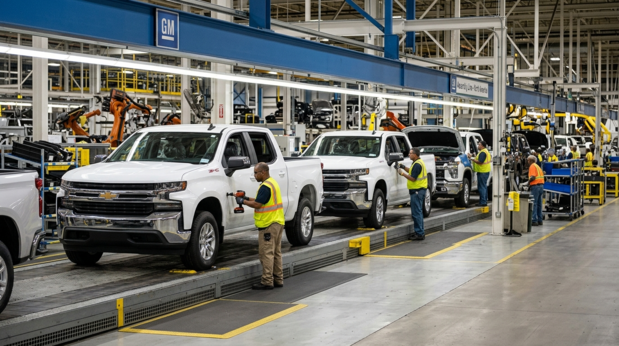
General Motors (GM) has raised its profit guidance for the second time this year, reflecting a significant increase in North American profits, which surged by 43 percent compared to the previous year. This upward revision suggests that GM is leveraging its operational strengths amid evolving market dynamics. While the company faces challenges, including a decrease in net income attributed to write-downs on electric vehicles, the overall financial outlook remains robust, underscoring the resilience of the automotive sector.
In its latest earnings report, GM indicated that its strong performance in North America was driven by increased vehicle sales and a favorable pricing environment. This increase in profits is a positive sign for the automotive industry, as it reflects a recovery trajectory following the disruptions caused by the pandemic and supply chain constraints. The ability of GM to enhance its guidance not only highlights its operational improvements but also suggests a growing consumer demand for its vehicles, which is crucial for maintaining industry momentum.
Despite these gains, GM’s financial landscape is not without its complexities. The company has reported a decrease in net income due to significant write-downs related to its electric vehicle (EV) segment. These write-downs are indicative of the broader challenges facing the automotive industry as companies transition to electric mobility. However, GM’s commitment to investing in EV technology remains a cornerstone of its strategy, which could bolster its position in a rapidly changing market.
Additionally, concerns among Finance and Insurance (F&I) managers regarding customers with negative equity highlight ongoing risks in the automotive financing landscape. Negative equity occurs when a vehicle’s value is less than the amount owed on a loan, which can complicate financing for consumers looking to purchase new vehicles. Addressing these concerns is essential for sustaining consumer confidence and ensuring that the financial ecosystem supporting vehicle sales remains healthy.
The automotive industry is also grappling with external pressures, such as Canada’s counter-tariffs impacting U.S. vehicle exports. These tariffs may present hurdles for manufacturers, but they also serve as a reminder of the importance of adaptable supply chains. GM’s proactive approach in navigating these challenges reflects a broader industry trend toward resilience and flexibility, which is vital for long-term sustainability.
As GM and other manufacturers continue to adapt to the evolving landscape, their focus on innovation and modernization can support broader economic growth. Investment in new technologies, particularly in the EV sector, not only positions these companies for future success but also contributes to job creation and community development. This focus on modernization is crucial for maintaining competitiveness in a global market increasingly oriented toward sustainability.
In conclusion, GM’s decision to raise its profit guidance amidst a complex set of challenges underscores the company’s operational strength and adaptability. While the automotive industry faces hurdles, such as negative equity concerns and trade tariffs, GM’s ability to enhance its financial outlook reflects a constructive trend toward recovery and growth. As the company navigates these dynamics, its focus on innovation and investment in electric vehicles could not only bolster its market position but also contribute positively to the broader economic landscape.