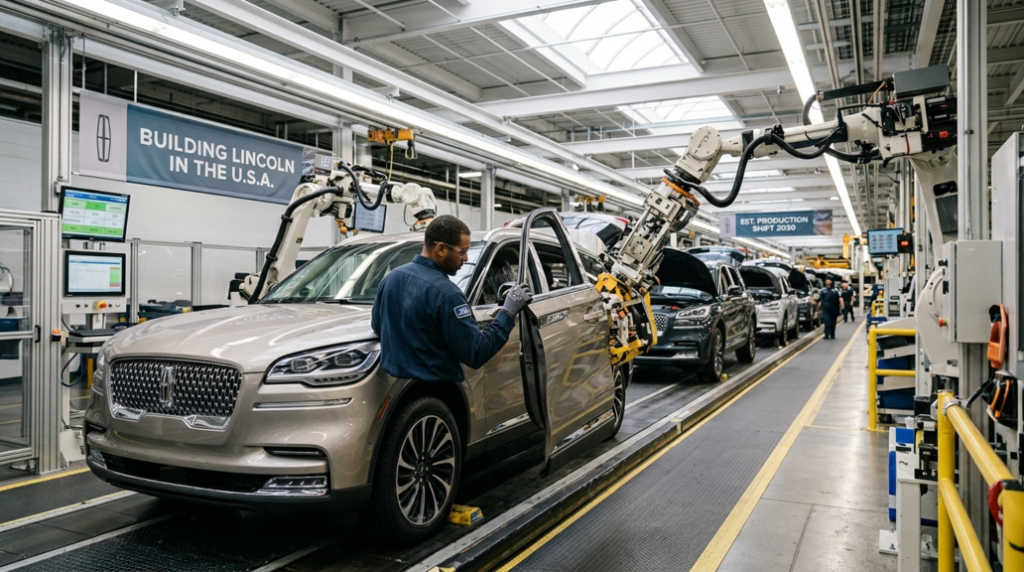
Ford Motor Company is preparing to bring production of some Lincoln models back to the United States beginning in 2030. The automaker’s CEO, Jim Farley, described the decision as difficult but necessary, primarily motivated by rising tariffs and regulatory challenges related to vehicles imported from China.
Currently, Ford imports the Lincoln Nautilus from China for sale in the American market. That vehicle faces a 52.5% tariff, which significantly impacts costs. By transitioning production to U.S. factories, Ford aims to alleviate tariff expenses and better align with U.S. regulations, especially as these pertain to connected-vehicle technologies.
While the company has not yet disclosed which U.S. assembly plants will take on the added Lincoln production or the specific investment amount, Ford emphasized that the move is expected to support thousands of American jobs. Some Lincoln models, such as the Navigator and Aviator, are already built domestically.
This strategic shift marks another step in Ford’s broader effort to strengthen its U.S. manufacturing footprint and reduce exposure to international trade uncertainties. Bringing more luxury vehicle production stateside could also improve supply chain stability and responsiveness to domestic market demands.
As the timeline extends to 2030, Ford’s decision reflects a long-term commitment to reshoring some of its manufacturing capacity. Industry watchers view the move as part of a wider trend among automakers reassessing global production strategies in response to tariff pressures and evolving regulatory environments.