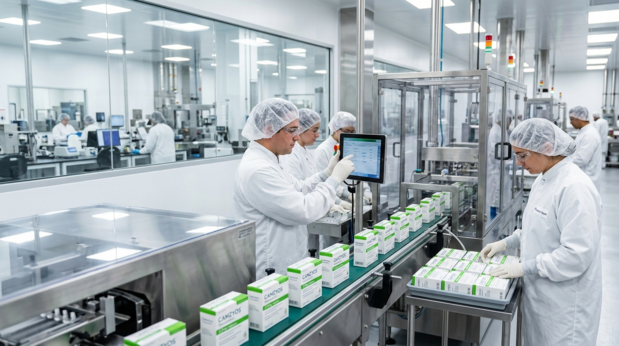

The Food and Drug Administration (FDA) has launched a new pilot program aimed at expediting the early stages of drug research in the United States. This initiative, part of a broader effort dubbed “Operation Trialblazer,” seeks to streamline the process of bringing new medicines into human testing by fostering partnerships between drug manufacturers and research institutions. By enhancing collaboration in the early phases of clinical trials, the FDA aims to accelerate drug development, which could have significant implications for the American pharmaceutical industry.
The pilot program, known as the Expedited Investigational New Drug (IND) Pilot, focuses on reducing the time it takes for new drugs to reach the first stages of human testing. Traditionally, early-phase trials can be lengthy and complex, often deterring innovation and delaying the introduction of potentially life-saving treatments. By pairing drug sponsors with qualified research entities, the FDA hopes to create a more efficient pathway for testing new therapies, thereby reinforcing the nation’s position in global pharmaceutical development.
This initiative comes at a time when the demand for new medications is high, particularly in the wake of the COVID-19 pandemic, which highlighted the need for rapid drug development in public health emergencies. The FDA’s program reflects a commitment to modernizing the drug approval process, ensuring that the U.S. remains competitive in the global market for pharmaceuticals. By fostering a more responsive research environment, the pilot could help American companies bring innovative treatments to market more quickly.
One of the key features of the pilot program is its emphasis on collaboration. By connecting drugmakers with established research institutions, the FDA aims to leverage existing expertise and infrastructure, which can lead to more effective trial designs and faster recruitment of participants. This collaborative approach not only enhances the quality of research but also supports a more resilient supply chain in the pharmaceutical sector, ultimately benefiting patients who rely on timely access to new therapies.
Moreover, the pilot program could stimulate investment in the pharmaceutical industry by attracting more stakeholders to participate in early-stage research. As companies see the potential for faster approvals and reduced barriers to entry, they may be more inclined to invest in innovative drug development. This influx of investment can lead to job creation and economic growth in communities where research institutions and pharmaceutical companies are located.
While the pilot program holds promise, it is important to acknowledge the challenges that may arise. The complexity of drug development and varying regulatory requirements can still pose hurdles. However, the FDA’s proactive measures signal a willingness to adapt and improve the process, which is a positive step for the industry.
In conclusion, the FDA’s launch of the Expedited IND Pilot Program represents a significant move toward enhancing the efficiency of early drug research in the United States. By fostering collaboration between drugmakers and research institutions, this initiative not only aims to accelerate drug development but also underscores the FDA’s commitment to modernizing the pharmaceutical landscape. As the program progresses, it holds the potential to strengthen the American pharmaceutical industry, improve public health outcomes, and support local economies through increased investment and job creation.