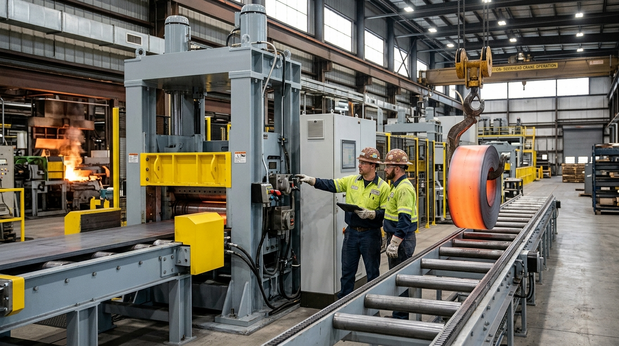
Domestic steelmakers have reported a significant wave of investments, attributing this growth to robust trade enforcement and Section 232 tariffs. During a recent meeting with the Congressional Steel Caucus, industry leaders highlighted how these tariffs are not only driving increased production but also facilitating the reopening of facilities across the country. This development is noteworthy as it reflects a strengthening of the American steel industry, which has faced various challenges in recent years.
Since the implementation of Section 232 tariffs, domestic steelmakers have announced nearly $22 billion in investments aimed at expanding or restarting production capabilities. This substantial financial commitment indicates a renewed confidence in the sector, suggesting that the combination of tariffs and rising demand is fostering a more resilient industrial environment. As facilities ramp up operations, the potential for job creation and economic growth in local communities becomes increasingly tangible.
The impact of these tariffs goes beyond mere numbers; they have helped stabilize the market by reducing the influx of foreign steel, which often undercuts domestic prices. By reinforcing trade enforcement, American steelmakers are better positioned to compete on a level playing field. This competitive edge is crucial for maintaining the industry’s viability and supporting the skilled workforce that relies on steel production for their livelihoods.
In addition to the economic benefits, the investments in steel production facilities signal a commitment to modernization. Many companies are focusing on advanced manufacturing techniques and technologies, which not only enhance efficiency but also reduce environmental impacts.
While challenges remain, including global market fluctuations and potential retaliatory measures from trade partners, the current trajectory of the steel industry appears positive. The reopening of plants and expansion of production capabilities could indicate a long-term recovery and growth phase for American steel. This resilience is critical, as a strong domestic steel industry is foundational to many other sectors, including construction, automotive, and infrastructure.
The Congressional Steel Caucus’s engagement with industry leaders underscores the importance of continued dialogue between lawmakers and manufacturers. By fostering an environment conducive to growth and investment, policymakers can help ensure that the steel industry remains a vital part of the American economy. Such collaboration is essential for addressing the challenges faced by the industry while also capitalizing on the opportunities presented by increased demand.
As the steel sector continues to evolve, the focus on investment and production capacity holds promise for American workers and local economies. The ongoing developments suggest a concerted effort to not only strengthen the industry but also to support the communities that depend on it. With a foundation built on strategic investments and a commitment to modern practices, the steel industry is poised to play a crucial role in the future of American manufacturing.
In conclusion, the recent wave of investments by domestic steelmakers, fueled by tariffs and demand, marks a significant step forward for the industry. This momentum not only enhances production capabilities but also reinforces the importance of steel in the broader context of American industry, infrastructure, and economic stability. As these developments unfold, they will likely contribute positively to the landscape of American manufacturing and its workforce.