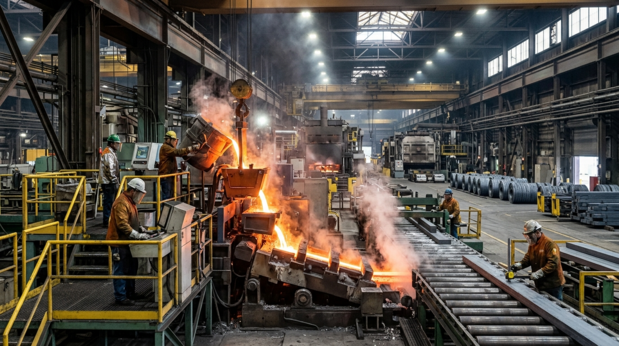
Domestic raw steel production in the United States has reached a seven-week high, according to recent data from the American Iron and Steel Institute (AISI). This uptick in output is not only a positive indicator for the steel sector but also reflects broader trends in American industry, highlighting resilience and capacity in a critical area of manufacturing.
In the week ending recently, domestic steel mills produced approximately 1.86 million net tons of raw steel. This level of production underscores a significant rebound from previous weeks and signals a strong demand for steel, which is essential for various industries, including construction, automotive, and infrastructure development. With a capacity utilization rate of 80.5%, this production level points to a robust operational capacity within the sector.
The increase in steel production comes at a time when many industries are navigating supply chain challenges and fluctuating material costs. The ability of steel mills to ramp up production reflects ongoing investments in modernization and efficiency. These investments are crucial not only for meeting current demand but also for positioning the industry to respond to future market needs.
Steel is a foundational material for American infrastructure and manufacturing, making its production levels a key economic indicator. The recent growth in output suggests that manufacturers are preparing for increased activity, potentially leading to job creation and economic stability in communities reliant on steel production. The sector’s resilience is particularly noteworthy given the ongoing global economic uncertainties and the impacts of recent supply chain disruptions.
Moreover, the rise in domestic steel production aligns with broader initiatives aimed at strengthening American manufacturing capabilities. As policymakers and industry leaders continue to emphasize the importance of domestic production, this increase may also serve to bolster local economies by supporting skilled jobs in steel mills and related industries. The ripple effect of increased steel production can enhance local supply chains and contribute to more reliable delivery of materials for projects nationwide.
While challenges remain, such as fluctuating raw material prices and competition from international markets, the current surge in steel production is a constructive sign of industry momentum. It indicates that American steel producers are not only recovering but are also adapting to meet evolving market demands, which is vital for long-term sustainability.
In conclusion, the recent spike in domestic raw steel production reflects a critical moment for the American steel industry. It illustrates a commitment to maintaining strong production capabilities and meeting the needs of various sectors. As the industry continues to navigate challenges and seize opportunities, this development could play a significant role in supporting the broader American economy and enhancing the reliability of supply chains across the nation.