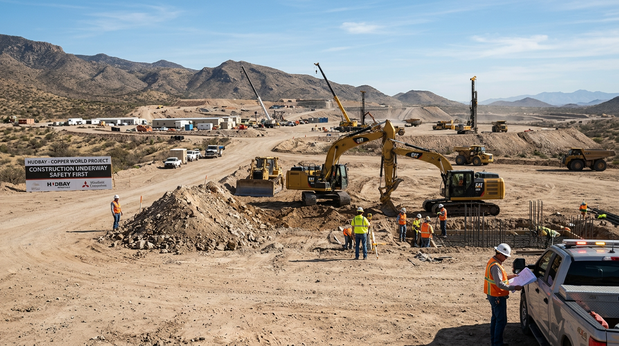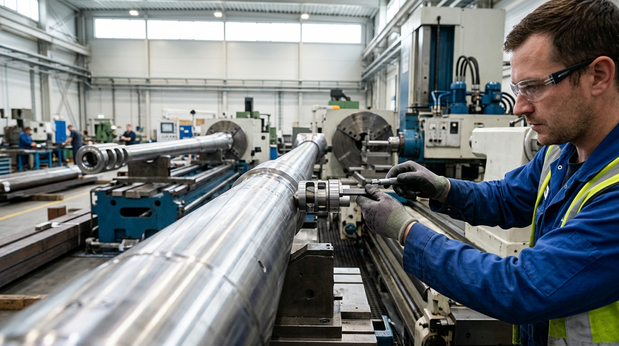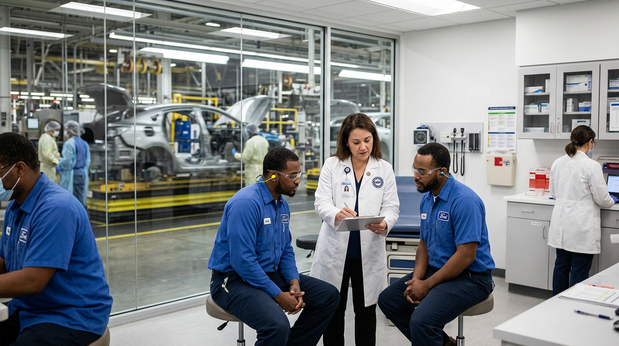

The U.S. Department of Energy (DOE) has announced a significant investment of $500 million aimed at enhancing the nation’s critical mineral and battery supply chains. This funding will support seven projects focused on expanding processing, manufacturing, and recycling capacities for essential materials used in battery production. By strengthening these supply chains, the initiative aims to bolster American energy security and domestic production capabilities, which are increasingly vital in today’s economy.
The investment aligns with ongoing efforts to reduce reliance on foreign sources for critical minerals, such as lithium, cobalt, and nickel, which are essential for electric vehicle batteries and renewable energy technologies. By fostering domestic processing and recycling, the DOE seeks to ensure a more resilient supply chain that can better withstand global market fluctuations and geopolitical uncertainties.
One of the key components of this initiative is the focus on battery recycling. As electric vehicle adoption continues to rise, the demand for battery materials is expected to increase significantly. By investing in recycling technologies, the DOE not only addresses the sustainability of battery production but also promotes the recovery of valuable materials, thereby reducing waste and environmental impact. This dual focus on production and recycling reflects a comprehensive approach to modernizing the supply chain.
The selected projects will take place in various regions across the country, potentially creating job opportunities and supporting local economies. As industries pivot towards cleaner energy solutions, the demand for skilled workers in critical mineral processing and battery manufacturing is likely to grow. This investment could help cultivate a workforce equipped with the necessary skills to meet the evolving needs of the energy sector.
In addition to job creation, the funding is expected to stimulate technological advancements in mineral processing and battery manufacturing. By supporting innovative projects, the DOE aims to enhance the efficiency and effectiveness of these processes, contributing to lower production costs and improved product performance. These advancements could make American-produced batteries more competitive in the global market, further solidifying the country’s position in the energy landscape.
While challenges such as regulatory hurdles and capital requirements remain, this investment marks a proactive step towards addressing the complexities of the critical minerals market. By prioritizing these initiatives, the DOE demonstrates a commitment to not only meeting current demand but also anticipating future needs as the market evolves.
Overall, this $500 million investment reflects a concerted effort to build a robust domestic supply chain for critical minerals and battery production. It underscores the importance of investing in American infrastructure and industry to ensure long-term sustainability and resilience. As the nation continues to transition towards cleaner energy sources, such initiatives will play a crucial role in supporting economic growth and energy independence.
In conclusion, the DOE’s funding announcement is a significant move towards enhancing the U.S. critical mineral and battery supply chains. By fostering domestic capabilities and promoting sustainable practices, this initiative not only addresses immediate industry needs but also lays the groundwork for a more secure and resilient energy future for the country.