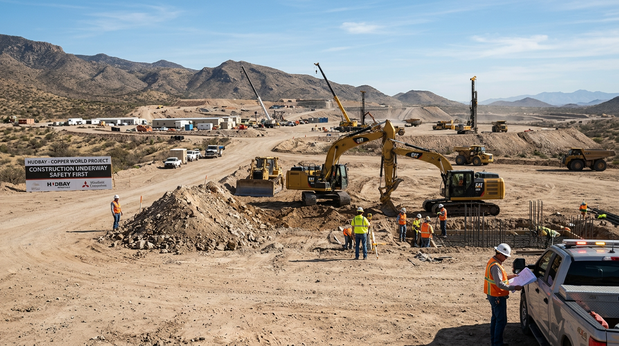

The U.S. Department of Energy (DOE) has announced a significant investment of $100 million in the Providing Opportunities for Specialized Education in Critical Technologies (PROSPECT) program, aimed at bolstering the nation’s critical minerals workforce. This initiative is designed to enhance training and education within the mining sector, reflecting a growing recognition of the importance of skilled workers in securing America’s energy and mineral independence.
The PROSPECT program will support mining schools across the country, providing resources that are essential for developing the next generation of professionals in critical minerals extraction and processing. With the global demand for these resources on the rise, this investment underscores the need for a robust workforce equipped with specialized skills to meet the challenges of the modern energy landscape.
As the U.S. seeks to reduce its reliance on foreign sources of critical minerals, this initiative comes at a crucial time. Critical minerals are vital for a range of industries, including renewable energy technologies, electronics, and advanced manufacturing. By strengthening domestic supply chains, the program aims to enhance the stability and reliability of mineral availability, which is essential for supporting economic growth and technological advancement.
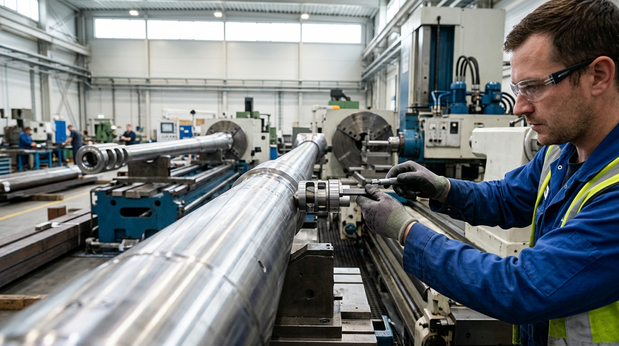
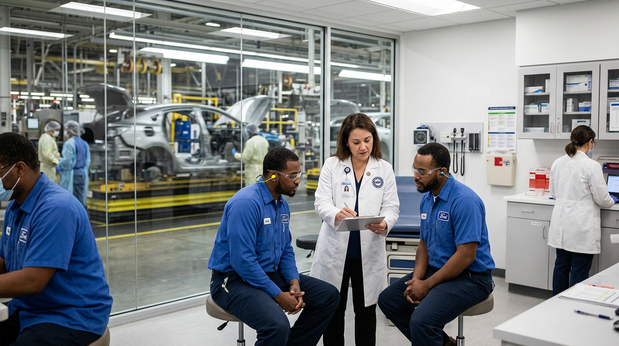
The funding is expected to facilitate curriculum development and practical training opportunities, ensuring that students gain hands-on experience in the field. This approach not only aims to fill current workforce gaps but also prepares students for future advancements in mining technologies and practices. The emphasis on education and specialized training reflects a broader trend toward investing in human capital as a means of sustaining industrial growth.
Moreover, the PROSPECT program aligns with ongoing efforts to modernize the U.S. mining sector. By integrating new technologies and sustainable practices into mining education, the initiative supports the transition toward more environmentally responsible extraction methods. This modernization is crucial for addressing both environmental concerns and the increasing demand for minerals needed in green technologies.
While challenges remain in expanding the workforce to meet industry needs, the DOE’s commitment to investing in education and training is a positive step forward. By fostering a skilled labor force, the initiative not only enhances the capabilities of the mining sector but also contributes to the overall resilience of American infrastructure and supply chains.
In conclusion, the launch of the PROSPECT program represents a strategic investment in the future of the U.S. critical minerals workforce. By prioritizing education and training, the DOE is helping to ensure that America remains competitive in the global market for essential minerals. This initiative not only addresses immediate workforce shortages but also lays the groundwork for sustainable growth and innovation in the mining industry, benefiting local communities and the economy as a whole.