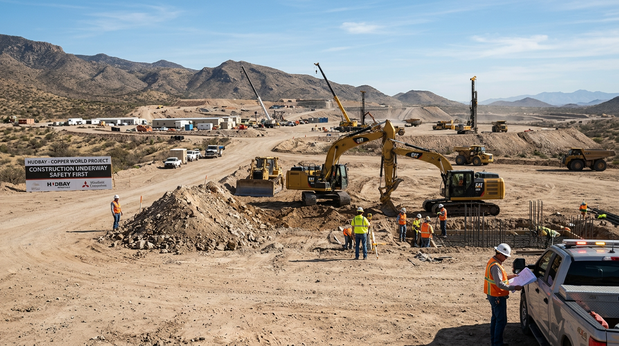
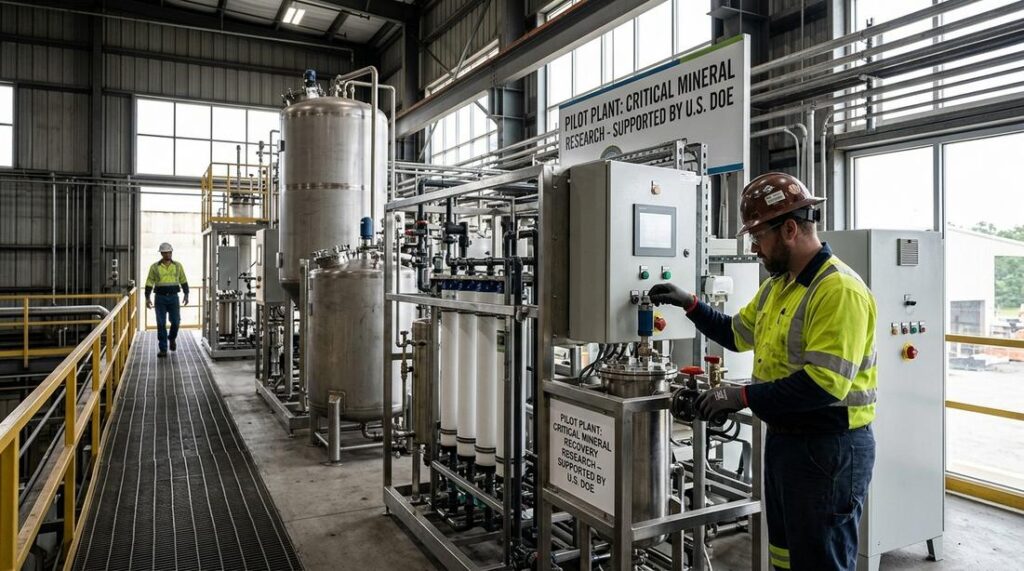
The U.S. Department of Energy (DOE) has allocated $75 million to support five innovative projects aimed at recovering critical minerals from coal and coal-based feedstocks. This funding, announced by the DOE’s Office of Critical Minerals and Energy Innovation, is expected to establish pilot-scale facilities at industrial sites, which could significantly enhance the production of rare earth elements and other essential materials for American industry.
Critical minerals are vital for a range of technologies, including electric vehicles, renewable energy systems, and advanced electronics. By investing in the recovery of these materials from coal, the DOE is addressing a growing need for domestic sources of critical minerals, which can help stabilize supply chains that are often reliant on imports. This initiative represents a strategic move towards securing the U.S. supply of these essential resources while also supporting local economies.
The projects selected for funding will focus on developing methods to efficiently extract and process rare earth elements, which are often found in low concentrations in coal. This approach not only has the potential to reduce waste associated with coal mining but also helps to create a secondary use for coal, which has faced declining demand in recent years. By repurposing coal in this way, the initiative underscores the adaptability of the energy sector and its ability to innovate in response to changing market conditions.
Establishing pilot-scale facilities is a crucial step in demonstrating the viability of these recovery methods. These facilities will allow researchers and companies to test and refine their processes, paving the way for larger-scale operations that could further bolster the domestic supply of critical minerals. The investment reflects a broader commitment to modernizing U.S. industrial capabilities and enhancing the resilience of supply chains in the face of global competition.
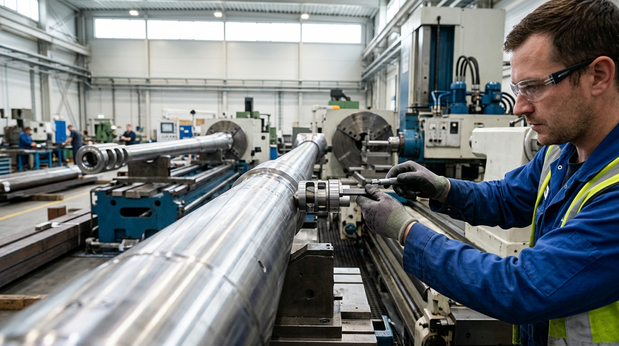
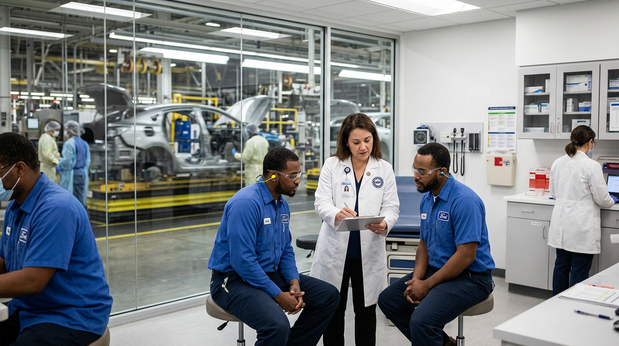
Moreover, the development of these projects could stimulate job creation in the mining and manufacturing sectors. As pilot facilities begin operations, they are likely to require skilled workers for both the initial setup and ongoing processing activities. This aligns with a growing emphasis on workforce development in the energy and materials sectors, which are increasingly recognizing the need for a skilled labor force to support advanced manufacturing and resource recovery.
While challenges remain, including the technical complexities of mineral extraction and potential environmental concerns, the funding signifies a proactive approach to addressing these issues. The DOE’s initiative could lead to innovations that not only improve the efficiency of mineral recovery but also minimize the environmental impact, thereby supporting sustainable practices in the industry.
In conclusion, the DOE’s $75 million investment in critical minerals recovery not only aims to enhance the domestic supply of essential materials but also reflects a significant step towards modernizing American industry. By leveraging coal as a resource for rare earth elements, this initiative could help strengthen supply chains, create jobs, and foster economic growth in local communities, all while aligning with broader goals of sustainability and innovation in the energy sector.