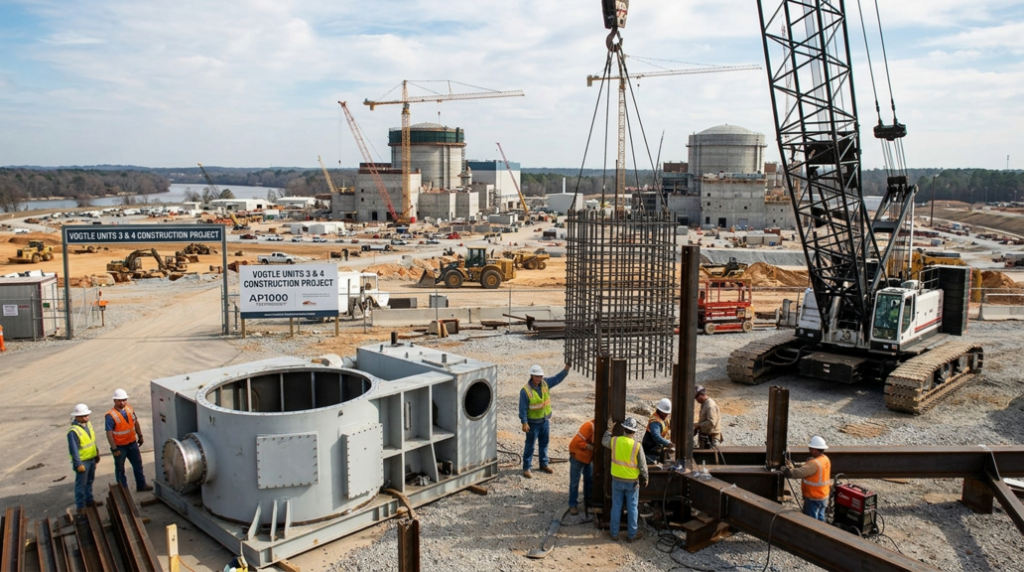
The U.S. Department of Energy (DOE) has unveiled a landmark conditional loan commitment totaling $17.5 billion to support the construction of up to 10 new AP1000 nuclear reactors across the country. This financing package is designed to accelerate the deployment of advanced nuclear power stations, strengthen America’s energy infrastructure, and support the burgeoning demand for reliable electricity, particularly as data centers and advanced manufacturing expand rapidly.
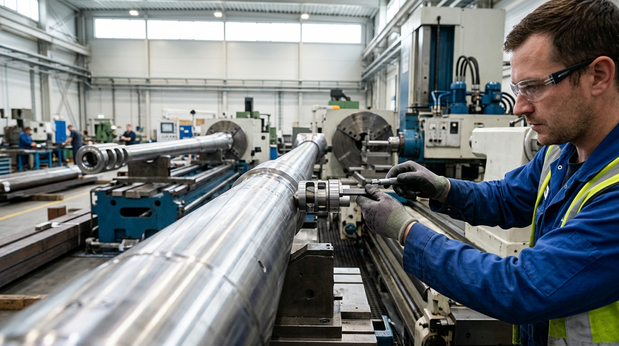
The DOE’s Office of Energy Dominance Financing will facilitate loans for long-lead equipment purchase, including critical components such as reactor pressure vessels and steam generators, for new nuclear projects led by utility and energy company partnerships. By addressing key supply chain bottlenecks, the program is expected to shorten construction timelines by as much as three years and reduce overall project costs.
Energy Secretary Chris Wright highlighted that the initiative seeks to support an ambitious target of having 10 reactors under construction by 2030. “We are confident these projects will be economic for utility shareholders, ratepayers, and hyperscalers,” Wright said, referencing tech companies with energy-intensive data facilities increasingly reliant on stable power sources. The financing mechanism requires a significant investment commitment from both Westinghouse Electric Company, the technology provider behind AP1000 reactors, and utility partners, each contributing $500 million per reactor pair before accessing DOE funds.
Economic analyses suggest the long-term benefits of these new nuclear facilities will be substantial. Over an estimated 80-year operational lifespan, the fleet of 10 reactors could generate approximately $12.9 billion annually to the U.S. GDP and support roughly 22,500 permanent jobs. Construction phases are projected to yield hundreds of thousands of person-years in employment, spanning a range of skilled and technical roles across local economies.
Communities hosting these plants stand to gain considerably, with each plant delivering millions in state and local property taxes that fund essential public services. Historic data shows similar nuclear facilities have contributed upwards of $30 million annually to local tax revenues, alongside generating high-paying jobs that stimulate secondary economic activity.
Beyond economic and community impacts, the program solidifies nuclear power’s role as an essential low-carbon energy source critical to meeting national climate goals. Each AP1000 reactor will provide steady, carbon-free baseload electricity sufficient to power over 800,000 homes.
This DOE financing package marks a strategic step toward revitalizing the U.S. commercial nuclear supply chain, which has faced challenges from diminished domestic manufacturing capacity. By leveraging bulk equipment orders and federal backing, the project aims to rebuild robust domestic industrial capabilities that underpin energy security and technological leadership.
With bipartisan support growing around the importance of nuclear energy in a balanced clean energy portfolio, this investment represents a foundational move toward modernizing and expanding America’s nuclear fleet. It also reflects an integrated approach to economic development, worker employment, and community revitalization through large-scale industrial infrastructure.