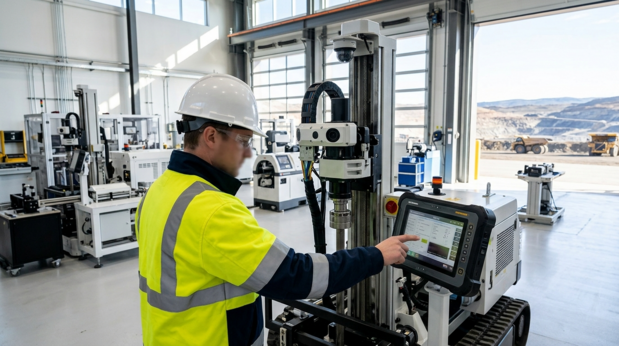
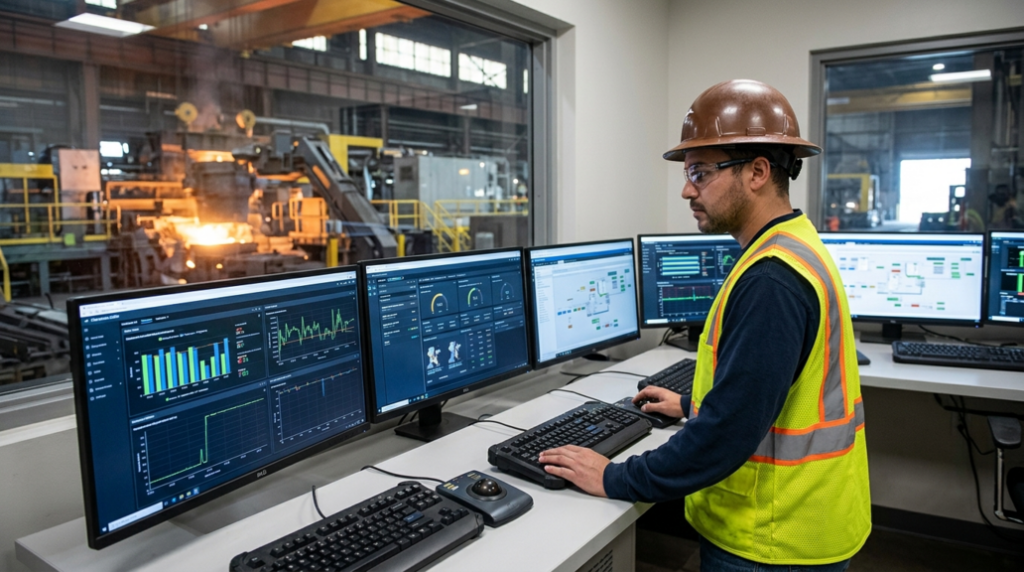
Cleveland-Cliffs announced in April a three-year strategic partnership with Palantir Technologies aimed at deploying advanced artificial intelligence (AI) across its integrated steelmaking operations. The agreement promises to enhance production planning, order entry, and overall operational coordination across the company’s many sites, addressing the complexity and tight margins inherent in American steel manufacturing.
Steel production involves managing thousands of variables across dozens of facilities. If Palantir’s platform delivers on early pilot successes, it could provide Cleveland-Cliffs with a competitive edge by improving efficiency and responsiveness. This move underscores a broader industry effort to modernize manufacturing processes through technology and maintain steel production on U.S. soil.
However, the choice of Palantir as a partner brings significant labor considerations. Palantir is a data company known not only for its work in industries like manufacturing but also for its controversial role in government operations involving immigration enforcement. The company’s software has been used by U.S. Immigration and Customs Enforcement (ICE), sparking protests and criticism from labor groups and human rights organizations.
This reputation contrasts with Cleveland-Cliffs’ long-standing public identity, which emphasizes Rust Belt manufacturing pride and a collaborative relationship with the United Steelworkers (USW). The timing of the partnership is particularly notable as Cliffs approaches new labor negotiations with the USW, which represents the workforce that will operate within the new Palantir-supported systems.
Labor organizations outside of steel have already voiced skepticism about Palantir, including SEIU Local 105 and the Colorado AFL-CIO, especially regarding workplace surveillance and data privacy concerns linked to Palantir’s government contracts. The USW, while not having publicly opposed the deal, does not operate independently of broader labor movement values, which include caution toward unchecked data collection and surveillance technologies in the workplace.
While Cleveland-Cliffs’ use of Palantir’s technology focuses on production planning rather than surveillance or enforcement, the association carries symbolic weight. It places a responsibility on the company to clearly distinguish how data will be handled and reassure workers that their privacy and rights are protected in this new technological environment.
Cleveland-Cliffs’ embrace of AI reflects a pragmatic approach to industrial competitiveness. Modernizing steelmaking through technology is increasingly vital for U.S. manufacturers facing global pressure. Yet, this modernization effort intersects with sensitive questions about labor trust, worker autonomy, and corporate responsibility in data use.
As Cleveland-Cliffs rolls out Palantir’s platform across its manufacturing sites, workers and union representatives may seek transparency and safeguards to ensure that the technology supports productivity without compromising workplace rights or privacy. The coming months will test the ability of Cleveland-Cliffs to balance operational advances with maintaining strong labor relations in a complex and changing industrial landscape.