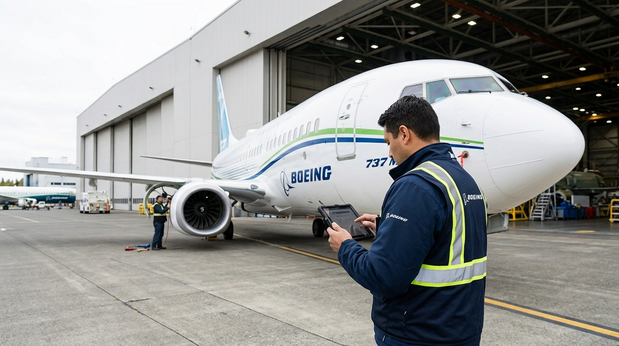
Boeing is nearing a significant milestone with its 737 MAX 7 aircraft, as it approaches Federal Aviation Administration (FAA) certification after 13 years since its launch. This development is noteworthy not only for the company but also for the broader American aerospace industry, which has faced challenges in recent years. The approval could help bolster production capacity and support jobs within the sector, reflecting ongoing efforts to enhance safety and reliability in aviation.
The 737 MAX 7 is the smallest variant in Boeing’s MAX family, and its certification is seen as a critical step in the company’s recovery from past safety issues that led to the grounding of the MAX fleet in 2019. The FAA’s impending approval underscores Boeing’s commitment to addressing these concerns and restoring confidence in its aircraft. With this certification, Boeing could potentially expand its production capabilities, which may lead to increased deliveries and a stronger market position.
In the context of a recovering aerospace sector, the 737 MAX 7’s advancement through the certification process illustrates a significant rebound for Boeing. The company has been working diligently to improve its safety protocols and production processes, aiming to regain trust from airlines and passengers alike. This milestone is indicative of Boeing’s efforts to modernize its fleet and meet the evolving demands of the aviation market.
Furthermore, the FAA’s anticipated approval could have a ripple effect on the supply chain associated with aircraft manufacturing. Suppliers and manufacturers involved in the production of parts for the 737 MAX series stand to benefit from increased orders and production schedules as Boeing ramps up its operations. This interconnectedness highlights the importance of the aerospace industry not just for Boeing, but for numerous businesses that contribute to the overall production ecosystem.
The 737 MAX 7’s journey to certification has not been without its obstacles. Delays and setbacks have characterized its development, yet the current momentum suggests a renewed focus on operational efficiency and quality control. As Boeing prepares for the final stages of certification, the company is signaling its readiness to meet market demands and enhance its competitiveness in the global aviation landscape.
The potential certification of the 737 MAX 7 is also relevant for American workers in the aerospace sector. As production ramps up, there may be opportunities for job creation and skill development within the industry. Boeing’s commitment to improving its aircraft and processes could lead to a more robust workforce capable of meeting the challenges of modern aviation.
In conclusion, the nearing FAA certification for the 737 MAX 7 is a pivotal moment for Boeing and the broader aerospace industry. It marks a step forward in the recovery from past challenges while also highlighting the importance of safety, reliability, and innovation in aviation. As the industry looks to the future, this development may support not only Boeing’s growth but also the vitality of local communities and the skilled workforce that underpins American manufacturing and aerospace excellence.