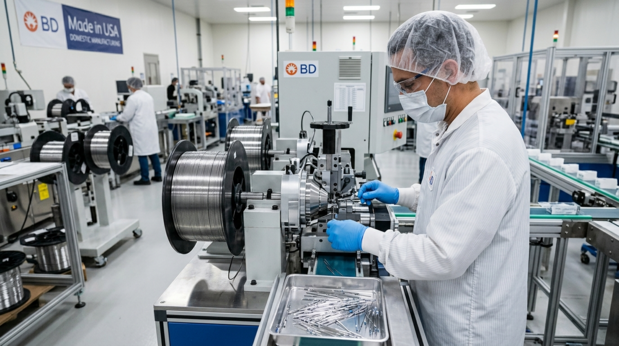
Medical device company BD has announced a significant commitment of $19 billion to enhance the domestic production of essential medical supplies. This investment underscores the growing emphasis on strengthening American manufacturing capabilities within the healthcare sector, particularly in the wake of recent supply chain disruptions experienced globally. By sourcing American-made steel for all needles used in the U.S., BD aims to not only bolster its own production capacity but also contribute to the resilience of the medical supply chain.
The decision to invest heavily in domestic manufacturing reflects a broader trend among companies looking to secure their supply chains and ensure the availability of critical healthcare products. As the COVID-19 pandemic highlighted vulnerabilities in global supply chains, many industries have been reevaluating their sourcing strategies. BD’s initiative points to a proactive approach to mitigating risks associated with reliance on overseas suppliers.
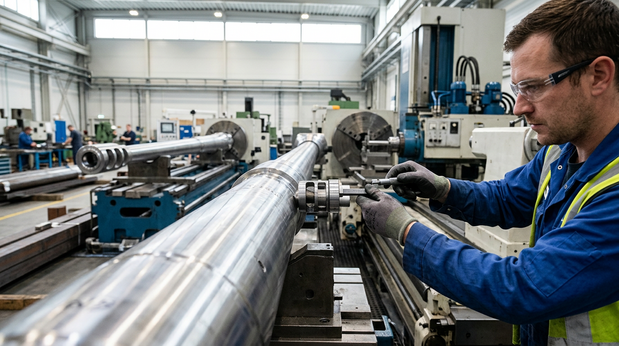
BD’s investment will likely create a ripple effect in the American economy, supporting local industries that provide the raw materials and components necessary for medical manufacturing. The commitment to using American-made steel for needles is particularly noteworthy, as it not only supports domestic steel producers but also aligns with national interests in fostering local manufacturing. This could lead to increased job opportunities in both the steel and medical device sectors, contributing to economic stability in communities involved in these industries.
Moreover, BD’s move is indicative of a larger shift toward modernization and technological advancement within the medical manufacturing sector. By investing in state-of-the-art facilities and processes, BD can enhance production efficiency and product reliability, which are crucial for maintaining high standards in healthcare. This modernization is essential not only for meeting current demands but also for positioning the company to respond effectively to future healthcare challenges.
While the investment comes with its own set of challenges, including the need for skilled labor and potential fluctuations in raw material costs, it also presents opportunities for workforce development. As BD expands its operations, there will likely be a demand for skilled workers in manufacturing, engineering, and logistics. This could lead to training programs and partnerships with educational institutions, helping to develop a workforce equipped for the evolving needs of the industry.
The commitment from BD highlights the importance of having a robust domestic manufacturing base for essential medical supplies, which can enhance national health security. As more companies consider similar investments, it could signal a turning point for American manufacturing, particularly in sectors vital to public health. The focus on local production capabilities not only helps mitigate risks but also fosters a sense of community resilience.
In conclusion, BD’s $19 billion investment is a significant step toward reinforcing the domestic production landscape for essential medical supplies. It reflects a commitment to building a more reliable and resilient supply chain, which is crucial for the healthcare industry. As this initiative progresses, it will be important to monitor its impact on local economies, job creation, and the overall health of American manufacturing, all of which could contribute positively to the country’s economic landscape.