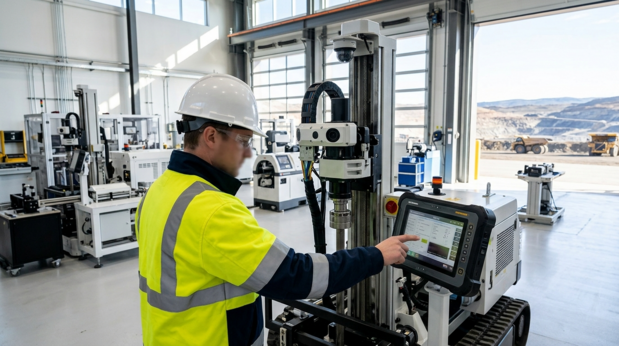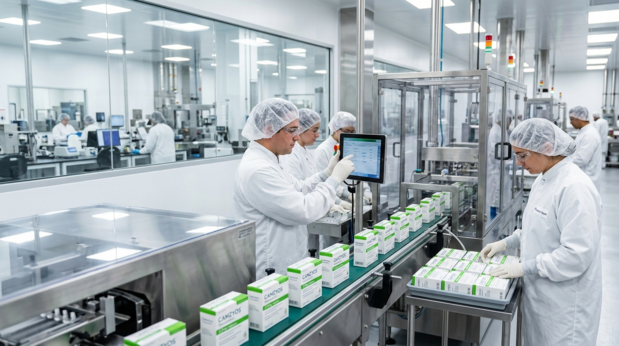
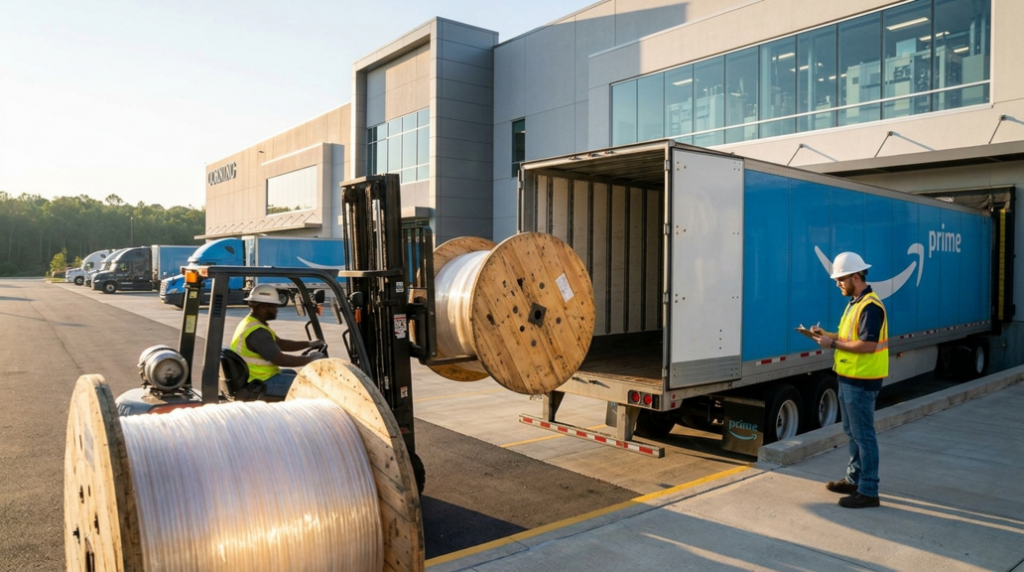
Amazon has entered a multibillion-dollar agreement with Corning to accelerate the domestic production of optical fiber, cables, and connectivity hardware that will support Amazon’s expanding network of data centers across the United States. The deal includes a major capacity expansion at Corning’s manufacturing facility in Hickory, North Carolina, and is set to create approximately 1,000 new advanced manufacturing jobs in the region.
This partnership reflects a strategic effort to build out the U.S. technology infrastructure backbone that underpins cloud computing and artificial intelligence services. By boosting fiber optic manufacturing capacity within the United States, Amazon and Corning aim to reduce reliance on international suppliers, strengthening the resilience and security of domestic supply chains critical to digital infrastructure.
The deal also incorporates a workforce development component in collaboration with Catawba Valley Community College to train fiber optic technicians and related skilled workers. This initiative will help develop a pipeline of technical expertise capable of supporting the production growth and ongoing maintenance of the fiber networks.
The agreement aligns with broader industry trends of major U.S. technology companies investing in domestic manufacturing capabilities to meet rising demand for advanced connectivity solutions. Alongside Amazon’s own plans to invest $10 billion in cloud computing expansion, the deal with Corning contributes to growing local economies, particularly in North Carolina, through construction and skilled labor opportunities.
Additionally, Corning has been scaling its optical connectivity capabilities to meet demand from AI-driven workloads and other technology customers like Nvidia, demonstrating how U.S. chip and cloud firms are working closely with domestic suppliers to secure critical components.
In summary, Amazon’s collaboration with Corning supports U.S. technological leadership and supply chain strength in fiber optic manufacturing. It fosters domestic job creation and helps ensure that the infrastructure powering America’s digital economy and advanced computing remains firmly rooted at home.