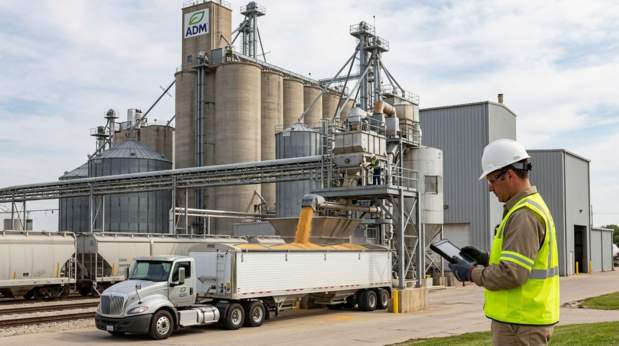
Archer Daniels Midland (ADM) has announced plans to expand its soybean crush capacity at four facilities across the United States, specifically in Indiana, Missouri, Nebraska, and North Dakota. This initiative aims to add 25 million bushels of demand, reflecting a significant investment in American agriculture and supply chains. The expansion underscores the company’s commitment to meeting the growing needs of the market while enhancing production capabilities.
The decision to increase crush capacity comes at a time when demand for soybean products is on the rise, particularly in the biofuels sector. ADM’s investment not only strengthens its operational footprint but also supports the broader agricultural ecosystem. By processing more soybeans, the company can provide essential ingredients for food products and animal feed, which are vital for both local and national economies.
ADM’s facilities in Indiana, Missouri, Nebraska, and North Dakota are strategically located to optimize supply chain efficiency. Expanding these plants will likely improve the logistics of soybean processing, allowing for quicker turnaround times and reduced transportation costs. This operational enhancement can lead to increased reliability in supply chains, which is particularly important as markets continue to navigate fluctuating demands.
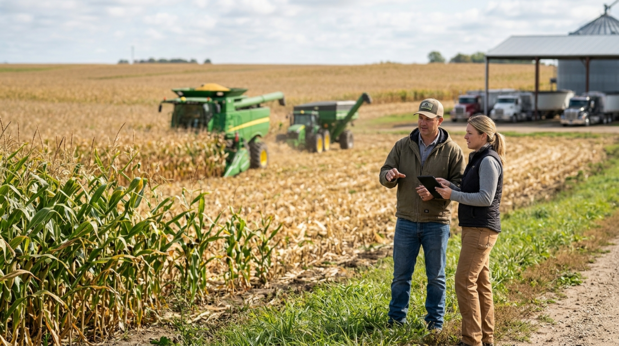
Moreover, the expansion is expected to bolster local economies by creating jobs and increasing income for farmers. As ADM ramps up its processing capabilities, it could generate additional revenue streams for agricultural producers in the region. This symbiotic relationship between ADM and local farmers highlights the interconnectedness of the agricultural sector, where investments in processing can lead to broader economic benefits.
While the expansion presents numerous opportunities, it is also accompanied by challenges. The agricultural sector faces ongoing issues such as fluctuating commodity prices and regulatory considerations. However, ADM’s proactive approach to increasing its crush capacity demonstrates a forward-thinking strategy that could mitigate some of these risks. By investing in modernization and increased capacity, the company positions itself to better adapt to market changes.
This development is also indicative of a broader trend in the industry, where companies are increasingly recognizing the importance of sustainability and efficiency. The push for renewable energy sources has heightened the demand for soybeans, particularly in biofuel production. ADM’s expansion aligns with these trends, showcasing its responsiveness to market signals and consumer preferences.
In conclusion, ADM’s plans to expand soybean crush capacity at its four U.S. plants are a notable step toward enhancing the agricultural sector’s productivity and resilience. This investment not only aims to meet the growing demand for soybean products but also reinforces the importance of local economies and supply chains. As the company moves forward with this expansion, it could serve as a model for other businesses looking to strengthen their operations while contributing positively to American industry and agriculture.