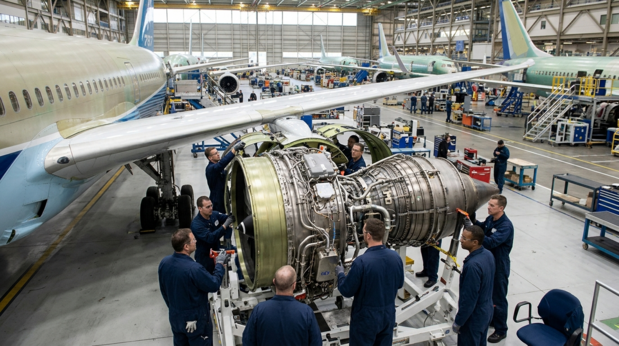
GE Aerospace has announced an 8% increase in the delivery of its GEnx and GE9X engines during the third quarter of the year. This uptick comes at a crucial time as Boeing aims to elevate its production rates for widebody aircraft, particularly the 787 Dreamliner. This development reflects not only the adaptability of the aerospace sector to meet rising demand but also underscores the ongoing strength of American aerospace manufacturing.
The increase in engine deliveries by GE Aerospace is a direct response to the growing demand for Boeing’s widebody aircraft. The 787, known for its fuel efficiency and advanced technology, has seen a resurgence in orders, prompting Boeing to ramp up production. This collaborative effort between GE and Boeing highlights the interconnected nature of the aerospace supply chain, where timely deliveries are essential for maintaining production schedules and meeting customer expectations.
Boeing’s decision to increase production rates is indicative of a broader recovery in the aviation industry as air travel continues to rebound post-pandemic. The demand for long-haul flights has returned, and airlines are investing in newer, more efficient aircraft to enhance their fleets. GE Aerospace’s ability to boost engine deliveries plays a critical role in supporting this recovery, ensuring that Boeing has the necessary components to fulfill its production targets.
The aerospace industry has shown remarkable resilience in adapting to fluctuations in demand. GE Aerospace’s enhanced delivery capabilities not only support Boeing but also reflect a commitment to maintaining high standards of production efficiency. This responsiveness is vital for strengthening supply chains and ensuring operational reliability, which are essential for the long-term health of the industry.
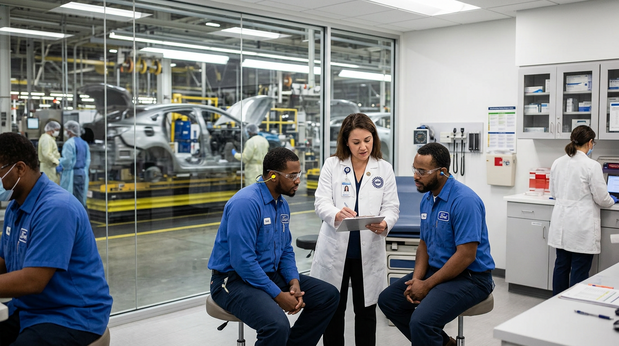
Moreover, the increase in engine deliveries is expected to have positive implications for local communities and the workforce involved in aerospace manufacturing. As production ramps up, there may be opportunities for job creation and skills development within the industry. The collaboration between GE and Boeing can serve as a model for how strong partnerships can lead to more robust economic activity and investment in skilled labor.
Looking ahead, the aerospace sector is poised for further growth, driven by advancements in technology and a renewed focus on sustainability. GE Aerospace’s commitment to increasing engine production aligns with industry trends toward more environmentally friendly aviation solutions. This focus not only enhances the competitive edge of American manufacturers but also positions them as leaders in the global market for aerospace innovation.
In conclusion, GE Aerospace’s increase in engine deliveries is a significant step that supports Boeing’s production goals while reflecting the broader trends of recovery and adaptation within the aerospace industry. This collaboration enhances the reliability of supply chains and underscores the importance of American manufacturing capabilities. As both companies move forward, their efforts will likely contribute to a more resilient and competitive aerospace sector, benefiting workers, local economies, and the industry as a whole.