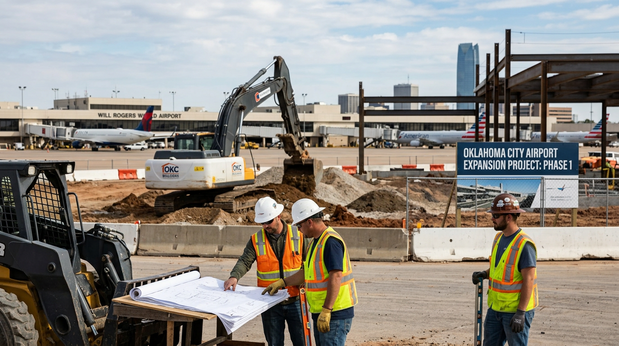
Oklahoma City has announced an ambitious 25-year plan for a multibillion-dollar expansion of Will Rogers International Airport. This extensive project aims to enhance the airport’s capacity, ultimately accommodating up to 20 million passengers annually. The initiative underscores the city’s commitment to modernizing its infrastructure and improving travel accessibility, which could have positive ramifications for local businesses and the broader economy.
The expansion plan is structured in three distinct phases, allowing for a gradual increase in the airport’s capabilities. Each phase is designed to address the growing demand for air travel and to enhance passenger experiences. As air travel continues to rebound post-pandemic, this development reflects a proactive approach to ensuring the airport can meet future needs while supporting regional economic growth.
Infrastructure investments like these are critical for American industry, particularly in sectors reliant on efficient transportation networks. Enhanced airport facilities can facilitate smoother logistics for businesses, attract new investments, and support tourism, which is vital for local economies. The expansion could also create job opportunities during the construction phase and beyond, contributing to the local workforce and economy.
Moreover, the airport’s modernization aligns with broader trends in infrastructure development across the country. As cities and states invest in upgrading their transportation networks, Oklahoma City’s initiative may serve as a model for other regions looking to enhance their own airport facilities. Such projects not only bolster local economies but also enhance the overall competitiveness of American infrastructure on a national and global scale.
While the project is promising, it is not without challenges. The timeline stretches over two decades, which means that various phases will need to be carefully managed to minimize disruptions. Additionally, securing funding and navigating regulatory processes will be crucial for the project’s success. However, the phased approach allows for adjustments based on changing conditions and ensures that the project remains aligned with evolving transportation needs.
Community engagement will also play a significant role in the expansion’s execution. Local stakeholders, including residents and businesses, will have opportunities to provide input, helping to shape a development that meets the needs of the community. This collaborative approach can foster a sense of ownership and support for the project, which is essential for its long-term success.
As Oklahoma City embarks on this extensive airport expansion, the implications for American industry and local communities are noteworthy. The project represents a significant investment in infrastructure that could lead to increased connectivity, economic growth, and enhanced travel experiences. By prioritizing such developments, cities can better position themselves for future challenges and opportunities in a rapidly changing economic landscape.
In conclusion, the multibillion-dollar plan for Will Rogers International Airport is a substantial step for Oklahoma City, reflecting a commitment to modernizing infrastructure and supporting local economic development. As the project unfolds over the next 25 years, it will be important to monitor its progress and impact, ensuring that it meets the needs of both the community and the broader industry landscape.