Boeing has secured a multi-billion-dollar contract to develop a new aircraft for the U.S. Navy, a significant step that underscores the company’s role in the American aerospace industry. This contract involves the construction of the F/A-XX, a next-generation fighter jet, and is expected to lead to the establishment of the largest secure factory in the United States dedicated to aircraft production. This development highlights Boeing’s ongoing commitment to innovation and capacity in defense manufacturing, which is vital for both national security and economic stability.
The F/A-XX aircraft is intended to replace the aging fleet of F/A-18 Super Hornets, reflecting a critical need for modernization within the Navy’s air combat capabilities. As military requirements evolve, the introduction of advanced technology in aircraft design and production is essential. Boeing’s investment in this project not only aims to enhance operational effectiveness for the Navy but also showcases the company’s ability to respond to the demands of modern warfare.
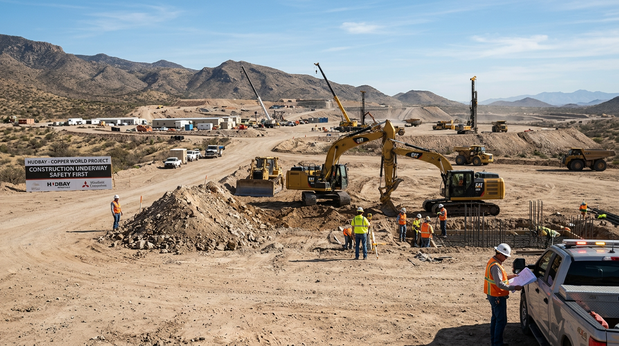
This contract comes at a time when the aerospace sector is experiencing renewed interest and investment, particularly in defense. The establishment of a state-of-the-art manufacturing facility will not only facilitate the production of the F/A-XX but also create a ripple effect throughout the supply chain. Local suppliers and subcontractors stand to benefit from the increased demand for materials and components, thereby supporting jobs and economic activity in the region.
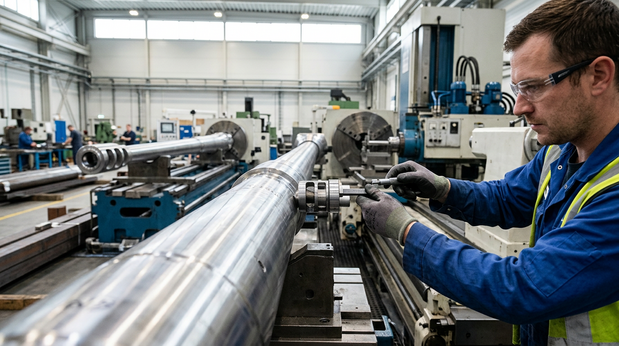
Moreover, the project is expected to bolster Boeing’s workforce, as the company will need to hire skilled workers to meet production needs. This could lead to job creation in an industry that is vital for the American economy. Skilled labor in aerospace manufacturing is not only crucial for the success of projects like the F/A-XX but also contributes to broader efforts to maintain the U.S.’s competitive edge in technology and innovation.
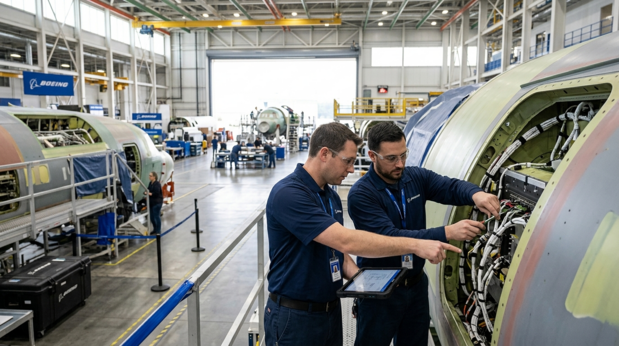
Boeing’s decision to invest in a new secure factory also reflects a commitment to enhancing production resilience. By consolidating operations in a dedicated facility, the company can implement advanced manufacturing techniques and ensure a secure environment for sensitive defense projects. This move is indicative of a trend within the industry towards modernization and efficiency, which is essential for meeting future defense needs.
While challenges such as budget constraints and project timelines remain, the awarding of this contract marks a clear signal of continued investment in American defense capabilities. It illustrates a proactive approach to addressing the evolving landscape of military needs, which is crucial for ensuring national security.
In conclusion, Boeing’s multi-billion-dollar contract to develop the F/A-XX for the U.S. Navy is a significant development for the aerospace industry and the broader economy. It reflects ongoing efforts to modernize military capabilities, supports local economies through job creation and supply chain engagement, and underscores the importance of skilled labor in maintaining the U.S.’s competitive position in global defense manufacturing. As this project unfolds, it will be closely watched as a benchmark for future investments in American industry and infrastructure.