Huntington Ingalls Industries (HII) has been awarded a significant contract by the U.S. Navy to construct ten Romulus unmanned surface vessels (USVs) as part of the Medium Unmanned Surface Vessel program. This development not only underscores the capabilities of American shipbuilding but also strengthens the naval infrastructure essential for national defense. The contract reflects ongoing investment in advanced maritime technology, which is increasingly vital in contemporary defense strategies.
The Romulus vessels are designed to enhance the operational flexibility of the Navy, capable of performing a variety of missions without the need for onboard personnel. This move towards unmanned systems aligns with broader trends in military modernization, where automation and advanced technologies are becoming central to operational effectiveness. By investing in projects like the Romulus program, the U.S. Navy is positioning itself to meet evolving security challenges while optimizing resource allocation.
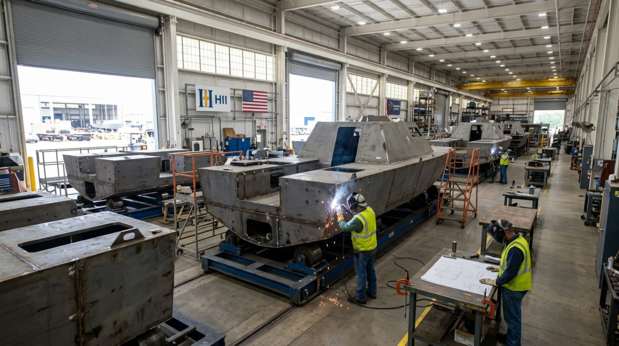
HII’s experience in shipbuilding and its established production capabilities are significant assets in fulfilling this contract. The company has a long history of delivering advanced naval vessels, and this latest award adds to its portfolio of innovative maritime solutions. The construction of the Romulus vessels will take place at HII’s facilities, which are already equipped to support such sophisticated projects, ensuring reliable production timelines and quality assurance.
Furthermore, the contract is expected to have a positive ripple effect on local economies and communities. The shipbuilding industry employs thousands of workers and supports a wide range of skilled jobs, from engineering to manufacturing. As HII ramps up production for the Romulus vessels, it could lead to increased hiring and training opportunities in the region, contributing to workforce development in a critical industry.
In addition to boosting employment, the contract also highlights the importance of supply chain resilience. The construction of unmanned vessels requires a network of suppliers and subcontractors, fostering collaboration within the industry. This interconnectedness not only supports local businesses but also enhances the overall robustness of the supply chain, which is crucial for maintaining operational readiness in defense sectors.
While challenges such as fluctuating material costs and scheduling complexities are inherent in large-scale defense contracts, the positive implications of this award are noteworthy. HII’s continued involvement in cutting-edge projects like the Romulus vessels demonstrates a commitment to innovation and modernization within the U.S. Navy. This aligns with strategic goals to enhance maritime security and operational capabilities in a rapidly changing global landscape.
The Romulus USVs represent a forward-thinking approach to naval operations, reflecting a broader commitment to integrating advanced technologies in defense. As the U.S. Navy prepares for the future, contracts like this not only bolster its fleet but also ensure that American shipbuilding remains competitive on the global stage. The ongoing investment in such projects illustrates a proactive stance towards evolving military needs, supporting both national security and the U.S. industrial base.
In conclusion, Huntington Ingalls Industries’ contract for the Romulus unmanned surface vessels marks a significant step in enhancing the capabilities of the U.S. Navy. Through this initiative, HII is not only contributing to national defense but also reinforcing local economies and the skilled workforce essential for sustaining American shipbuilding excellence.