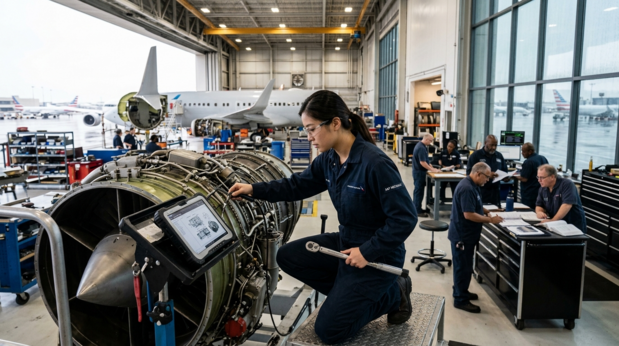
In 2025, the number of new FAA Airframe and Powerplant (A&P) mechanic certifications reached record levels, signaling progress in addressing the workforce gap in the U.S. aerospace industry. This milestone reflects a concerted effort to meet the growing demand for skilled technicians amid an increasing number of retirements. The rise in certifications not only points to a strengthening workforce but also underscores the industry’s commitment to maintaining high safety and operational standards in aviation.
The aerospace sector faces a dual challenge: the need for a highly skilled workforce and the reality of an aging technician population. As veteran mechanics retire, the demand for new talent has intensified. The recent surge in A&P certifications is a positive indication that educational and training programs are successfully attracting new entrants into the field. This influx of certified mechanics could help alleviate some of the pressures on airlines and maintenance facilities that are struggling to keep pace with operational demands.
Training programs across the country have been instrumental in this achievement. Educational institutions and technical schools have ramped up their efforts to equip students with the necessary skills and knowledge to succeed in the aerospace industry. Partnerships between schools and industry stakeholders have also been crucial in ensuring that curricula align with current industry needs, fostering a pipeline of talent ready to step into critical roles.
Moreover, the increase in certifications is a sign of broader trends in workforce development within the aviation sector. As technology evolves, so too does the skill set required for mechanics. Emphasizing modern training techniques and hands-on experience has become essential. This not only prepares new mechanics for the complexities of today’s aircraft but also enhances the overall reliability and safety of air travel, benefiting passengers and the industry alike.
While the rise in certifications is encouraging, challenges remain. The industry still grapples with the need to compete for talent in a tight labor market. As other sectors also seek skilled workers, retaining newly trained mechanics will be vital. Companies are beginning to recognize the importance of creating supportive work environments that foster long-term careers, which could help mitigate turnover and build a more stable workforce.
The implications of this trend extend beyond individual companies; they resonate throughout the entire aerospace supply chain. A well-trained workforce supports not just maintenance and repair but also enhances production capabilities. As more mechanics enter the field, the potential for increased operational efficiency grows, which is essential for maintaining the competitiveness of U.S. aviation on a global scale.
In conclusion, the record-high FAA A&P mechanic certifications represent a significant step forward for the U.S. aerospace industry. This achievement reflects ongoing efforts to build a skilled workforce capable of meeting the demands of modern aviation. As the industry continues to adapt to changes and challenges, the commitment to training and development stands as a cornerstone for future growth and reliability in aviation services, ultimately supporting local economies and enhancing the nation’s infrastructure.