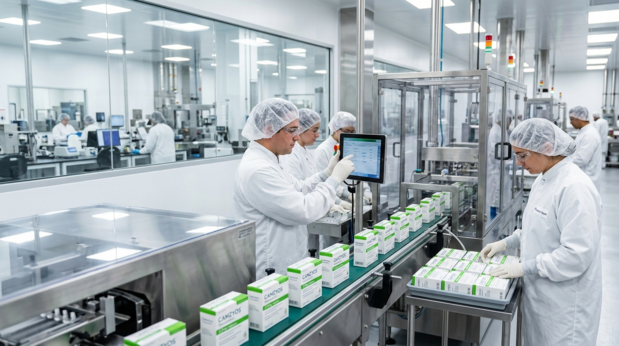
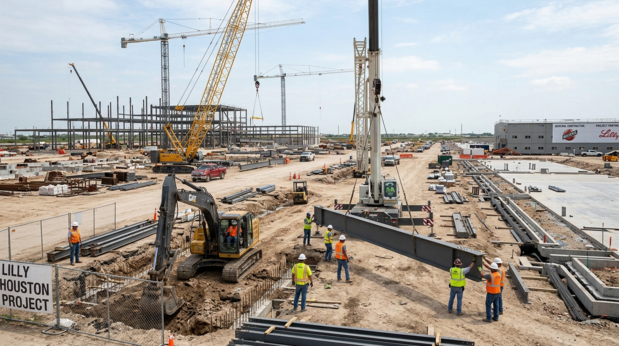
Eli Lilly has officially broken ground on a $6.5 billion manufacturing facility in northeast Houston, marking a significant step forward in the American manufacturing sector. This ambitious project, supported by Bechtel’s manufacturing and technology business unit, is expected to create approximately 600 jobs. The new facility will primarily focus on the production of Eli Lilly’s recently approved GLP-1 pill, which is part of a growing market for diabetes and weight management medications. The investment underscores the ongoing expansion and modernization of manufacturing capabilities in the United States, reflecting a robust demand for innovative healthcare solutions.
The development of this facility in Houston’s Generation Park is particularly noteworthy, as it adds to the area’s reputation as a burgeoning hub for life sciences. With the pharmaceutical industry increasingly relying on advanced manufacturing techniques, Eli Lilly’s investment could strengthen the local economy and enhance job opportunities for skilled workers in the region. The project is anticipated to not only provide direct employment but also support ancillary businesses and services that cater to the workforce.
Eli Lilly’s commitment to this significant investment also highlights a broader trend in the manufacturing sector, where companies are increasingly focusing on domestic production capabilities. Amid global supply chain challenges, the establishment of new manufacturing plants within the U.S. serves as a proactive measure to bolster reliability and efficiency in production. By investing in local facilities, companies like Eli Lilly can better respond to market demands while reducing dependency on overseas manufacturing.
The timing of this project aligns with a renewed focus on revitalizing American manufacturing, particularly in the pharmaceutical sector, which has seen heightened attention following recent global health challenges. As the industry pivots towards more localized production, Eli Lilly’s new plant could serve as a model for other companies aiming to enhance their operational resilience and capacity.
Additionally, the collaboration with Bechtel, a well-established contractor, points to a commitment to quality and innovation in construction practices. This partnership may enhance the project’s efficiency and effectiveness, ensuring that the facility is built to meet modern standards and can adapt to future technological advancements in manufacturing.
While challenges in the construction sector, including rising costs and labor shortages, are present, the initiation of this project suggests a confidence in overcoming these hurdles. The scale of Eli Lilly’s investment reflects a long-term vision that prioritizes not only immediate production needs but also the future growth of the pharmaceutical industry.
In conclusion, the construction of Eli Lilly’s Houston manufacturing plant is a notable development that reflects ongoing investment in American industry and infrastructure. This multi-billion dollar project stands to create significant employment opportunities, enhance local economic stability, and contribute to the resilience of the pharmaceutical supply chain. As the facility begins to take shape, it could serve as a catalyst for further investments in the region, reinforcing Houston’s position as a key player in the life sciences sector.