
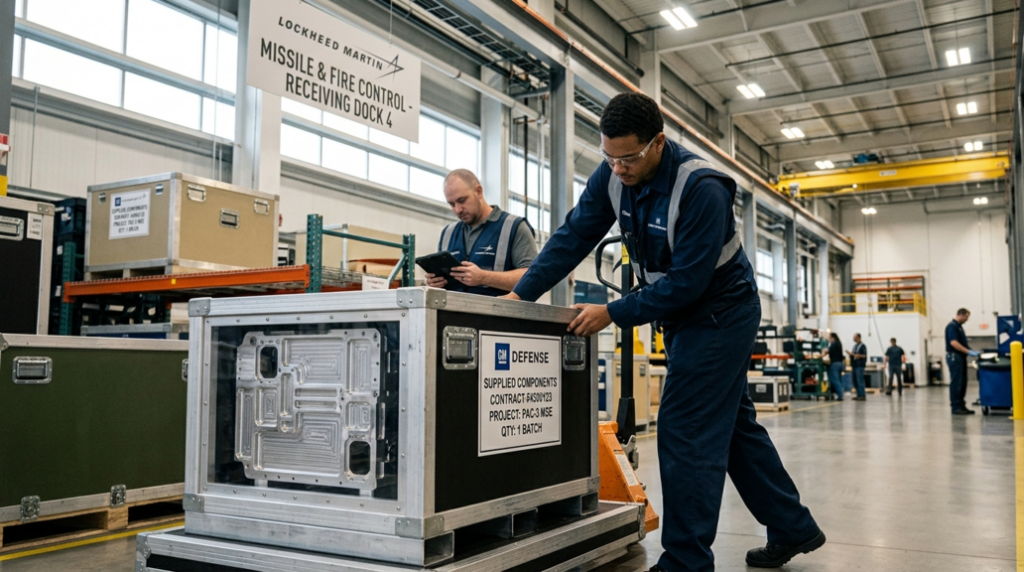
General Motors has taken a significant step into the defense manufacturing arena with the first delivery of missile components to Lockheed Martin for the Patriot PAC-3 Missile Segment Enhancement (MSE) interceptor. The shipment marks GM Defense’s entry as a supplier of mission-critical parts for one of the military’s key air defense systems.
This initial delivery, announced by Lockheed Martin on September 17, came just 22 days after the two companies signed a formal contract on August 6—a turnaround speed that industry sources say is unusually fast for components that typically take months or longer to produce.
The components supplied by GM Defense consist primarily of the housing or casting elements crucial to the interceptor missiles’ function. These parts are essential to the PAC-3 MSE missile, widely regarded as a critical element of the U.S. and allied air and missile defense capabilities.
Lockheed Martin’s decision to partner with GM Defense highlights how advances in automotive manufacturing techniques can accelerate defense production timelines, a priority in the context of heightened geopolitical tensions and increased demand for missile stockpiles.
The partnership also reflects growing collaboration between traditional automakers and defense contractors, leveraging GM’s manufacturing scale and expertise to support faster replenishment of munitions for the Pentagon and allied forces.
GM Defense and Lockheed Martin’s quick ramp-up demonstrates potential new opportunities for automotive industry facilities and workforce skillsets to contribute to U.S. industrial security in addition to their traditional roles.
This development underscores broader shifts in American manufacturing focused on agility, capacity expansion, and strategic supply chains as U.S. defense production is revitalized to meet contemporary national security needs.