
A proposal for a national railroad infrastructure bank is gaining attention as a potential catalyst for high-speed rail development in the United States. The idea, put forward by a board member of the Commuter Rail Coalition, aims to enhance collaboration among federal, state, and private-sector entities. This initiative could play a significant role in modernizing American transportation systems and improving infrastructure, which is increasingly recognized as vital for the country’s economic growth and environmental sustainability.
The concept of a national railroad infrastructure bank is designed to streamline funding and operational efforts for high-speed rail corridors. By facilitating cooperation between various stakeholders, the bank could help overcome existing barriers to the development of these transportation networks. High-speed rail has the potential to reduce travel times, provide a cleaner alternative to road and air travel, and alleviate congestion in urban areas, all of which underline the importance of this proposal for American industry.
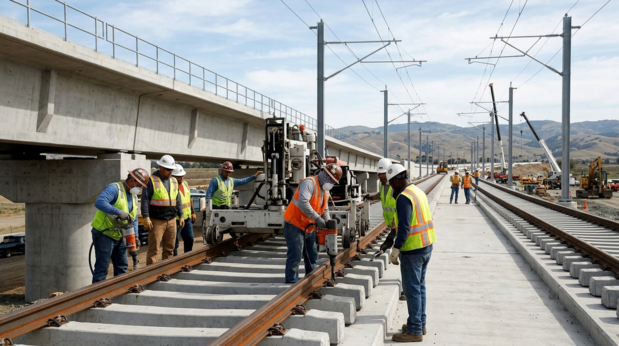
Investing in high-speed rail could also create numerous job opportunities, particularly in the construction and manufacturing sectors. The construction of rail lines and associated infrastructure would require skilled labor, which could lead to a demand for training programs and apprenticeships. This focus on workforce development aligns with the ongoing need for skilled workers in various industries, providing a pathway for many individuals seeking stable employment.
Moreover, high-speed rail systems have been successfully implemented in other countries, showcasing their feasibility and benefits. For instance, countries like Japan and several European nations have established extensive high-speed rail networks that not only enhance connectivity but also stimulate local economies. By adopting a similar approach, the United States could position itself to benefit from increased mobility and economic activity.
The proposal also reflects a growing recognition of the need for modernization in American infrastructure. With aging transportation networks and increasing demands on existing systems, the establishment of a national railroad infrastructure bank could serve as a crucial step toward addressing these challenges. It highlights a commitment to investing in long-term solutions that support both economic growth and environmental considerations.
While the implementation of such a bank would face challenges, including funding and regulatory hurdles, the proposal underscores a proactive approach to enhancing the nation’s transportation landscape. By aligning federal, state, and private interests, the initiative could pave the way for a more cohesive and efficient rail system, contributing to the resilience of the overall supply chain and transportation infrastructure.
As discussions around this proposal continue, it is clear that the development of high-speed rail could have far-reaching implications for American industry and communities. The potential for job creation, improved infrastructure, and enhanced transportation options positions this initiative as a meaningful step forward. Ultimately, the establishment of a national railroad infrastructure bank could mark a significant move toward modernizing the U.S. transportation system, supporting both economic vitality and environmental sustainability.
In conclusion, the idea of a national railroad infrastructure bank represents an opportunity to foster collaboration and investment in high-speed rail development. With the right support and commitment from stakeholders, this proposal could help shape a more efficient and sustainable transportation future for the United States, benefiting industries and communities alike.