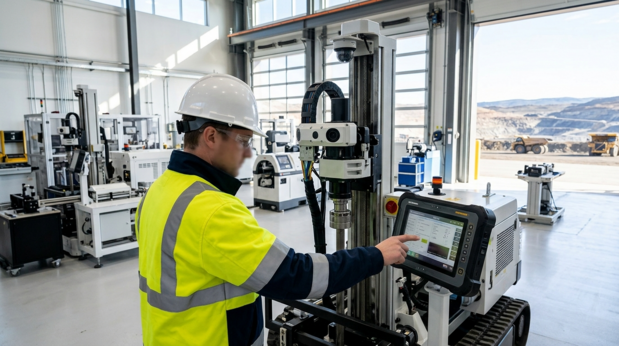
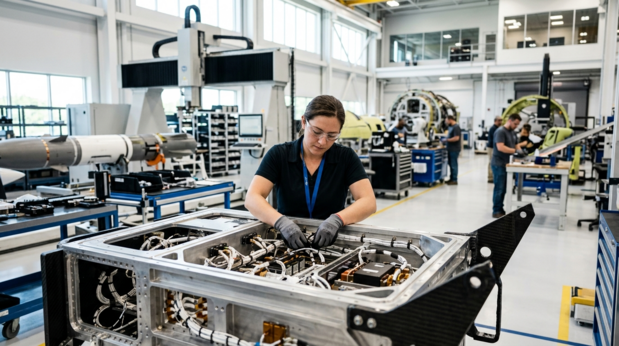
The defense industrial base is ramping up investments in design, engineering, and manufacturing capacities to align with the growing demands of the Air Force and Space Force. This strategic move not only underscores the industry’s dedication to national defense but also reflects a broader commitment to ensuring the operational readiness of military forces. As the defense sector adapts to evolving threats, these investments could enhance the United States’ capabilities in air and space operations, ultimately benefiting national security.
In recent years, the U.S. military has signaled an increasing need for advanced technologies and systems, particularly in the realms of aerospace and space operations. The defense industrial base’s response is an indication of its ability to pivot and meet these demands effectively. By investing in modern manufacturing techniques and engineering processes, companies are positioning themselves to deliver innovative solutions that support military objectives.
The emphasis on modernization is particularly vital as the Air Force and Space Force face a rapidly changing global landscape. From advanced fighter jets to satellite systems, the need for cutting-edge technology is paramount. Investments in this sector not only bolster the military’s operational capabilities but also stimulate economic growth within local communities that host defense contractors and suppliers.
Moreover, this commitment to expanding production capacity can serve as a stabilizing force within the supply chain. As companies enhance their capabilities, they contribute to a more resilient and efficient defense supply chain, which is crucial for timely delivery of critical military assets. This could lead to reduced lead times and improved reliability, ensuring that the military is well-equipped to respond to various challenges.
While challenges such as budget constraints and workforce shortages persist, the ongoing investments reflect a proactive approach to addressing these issues. By focusing on enhancing design and engineering capabilities, the defense industrial base is laying the groundwork for future innovations that could help overcome existing obstacles. This focus on investment and modernization is a constructive step towards ensuring that the U.S. remains competitive in defense technologies.
Furthermore, these initiatives can create job opportunities for skilled workers in engineering, manufacturing, and related fields. As the industry expands, it will likely require a workforce equipped with the skills necessary to support advanced production processes. This demand for skilled labor not only helps to sustain local economies but also fosters a new generation of professionals in the defense sector.
In conclusion, the defense industrial base’s investment in meeting the demands of the Air Force and Space Force represents a meaningful step forward in enhancing national security and operational readiness. By modernizing capabilities and expanding production capacity, the industry is not only responding to immediate military needs but is also contributing to long-term economic stability and workforce development. These developments underscore the importance of a robust defense industrial base in supporting the nation’s strategic objectives while benefiting local communities and the broader economy.