
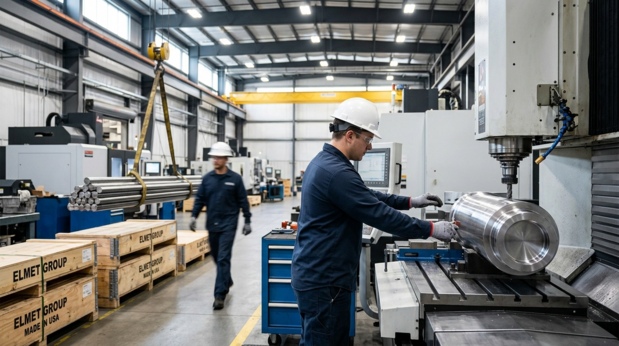
Elmet Group has recently secured $2.5 billion in contracts with the Department of Defense (DOD), a move that is expected to enhance the domestic supply chain for tungsten, a metal essential for over 100 defense programs. This significant funding not only ensures a stable supply of a critical material but also marks a pivotal investment in the company’s manufacturing capabilities across several states, including Maine, Michigan, and Ohio. This development underscores a commitment to bolstering American industry and improving national security through enhanced production capacity.
The DOD contracts will enable Elmet Group to upgrade its manufacturing facilities, which is crucial for meeting the increasing demand for tungsten in defense applications. By modernizing these facilities, the company aims to strengthen its operational reliability and efficiency. This investment illustrates a broader trend in U.S. defense procurement, where there is a growing emphasis on domestic production capabilities to reduce reliance on foreign supply chains.
Tungsten is used in a variety of applications, including armor-piercing ammunition and other military technologies. The stability of its supply is vital for the U.S. military’s operational readiness. With these new contracts, Elmet Group is positioned to play a key role in ensuring that the defense sector has access to the materials it needs, which in turn supports national security objectives.
The funding will not only enhance production capabilities but is also expected to create job opportunities in the regions where Elmet operates. By investing in local manufacturing, the company contributes to economic growth in these communities, reinforcing the importance of skilled labor in the American industrial landscape. As these facilities expand and modernize, they will likely require a workforce skilled in advanced manufacturing techniques, thereby supporting local employment.
Moreover, the DOD’s investment in Elmet Group aligns with a broader strategy to revitalize the American supply chain for critical materials. In recent years, the U.S. government has recognized the need to secure domestic sources of essential metals and minerals, particularly in light of global supply chain disruptions. This proactive approach not only enhances national security but also encourages investment in American manufacturing capabilities.
In the context of ongoing global economic uncertainties, the contracts with Elmet Group reflect a strategic move to bolster domestic resilience. By ensuring a reliable supply of tungsten through local production, the U.S. is better positioned to face potential disruptions in the global marketplace. This initiative contributes to a more robust and self-sufficient industrial base that can support both defense and civilian needs.
As Elmet Group embarks on this significant project, it represents a constructive step toward modernizing the American industrial sector. The enhancements to manufacturing facilities will likely improve production efficiency and capacity, which could lead to increased competitiveness in the global market. This initiative not only strengthens the defense supply chain but also sets a precedent for future investments in domestic manufacturing across various industries.
Overall, the $2.5 billion DOD contracts awarded to Elmet Group signify a meaningful investment in both national security and the American workforce. By focusing on domestic production, the U.S. is taking steps to ensure that it can meet its defense needs while simultaneously supporting local economies and skilled labor. As these developments unfold, they will likely have lasting impacts on the industry, workforce, and communities involved in this vital sector.