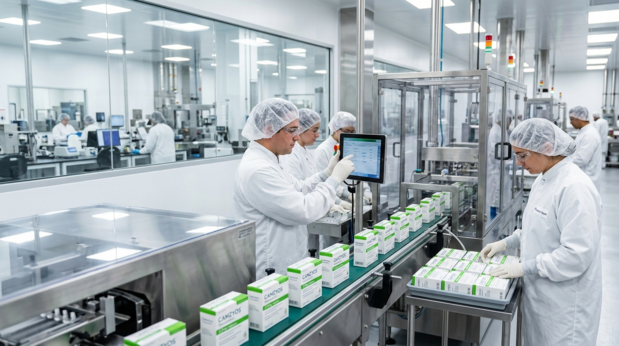
Pfizer has announced a partnership with Medicus Pharma to co-develop its antibody-drug conjugate (ADC) known as PF-08046031. This collaboration represents a significant development in the pharmaceutical sector, enhancing the capacity for innovative drug delivery systems. By leveraging Medicus Pharma’s expertise in ADC technology, Pfizer aims to accelerate the research and development process, which could ultimately lead to more effective treatments for various diseases.
The partnership underscores a trend in the pharmaceutical industry toward collaborative efforts that combine resources and expertise. Such alliances can not only streamline the development of new therapies but also reflect a growing recognition of the importance of specialized knowledge in drug development. As the healthcare landscape evolves, these collaborations may become increasingly vital in addressing complex medical challenges.
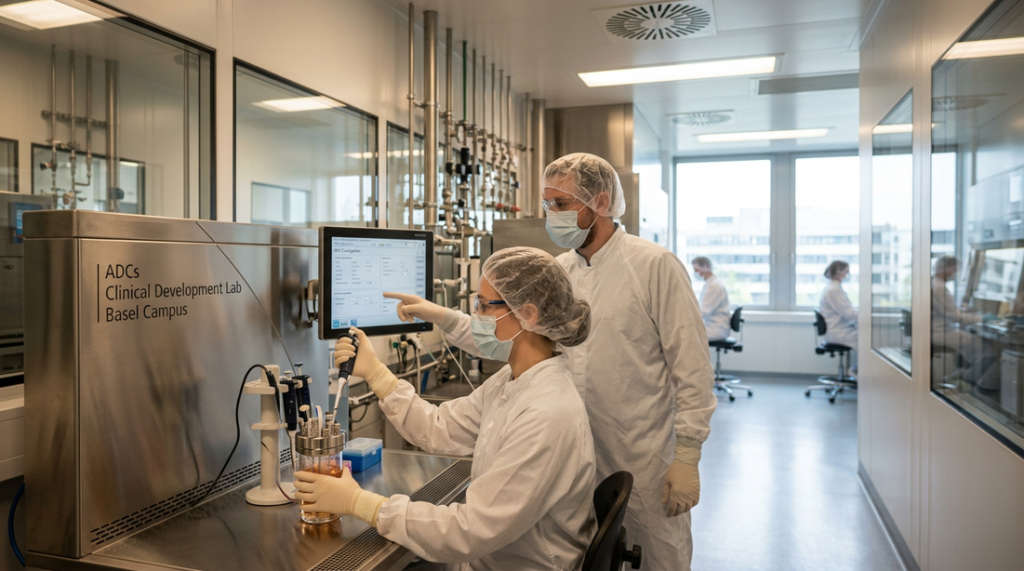
In a parallel development, Novartis has announced plans to consolidate its biologics laboratories in Basel, Switzerland, a move that could impact approximately 130 jobs by 2027. While this consolidation may raise concerns for those affected, it also points to the company’s strategy to enhance operational efficiency and focus on core capabilities. By streamlining its facilities, Novartis aims to strengthen its position in the competitive biopharmaceutical market.
The consolidation of labs is indicative of a broader trend within the industry where companies are seeking to optimize their operations. As pharmaceutical firms face mounting pressure to innovate while managing costs, such strategic decisions can help maintain competitiveness and ensure the sustainability of operations. This shift may also lead to more concentrated research efforts, potentially resulting in breakthroughs that benefit patients and the healthcare system.
Both Pfizer’s partnership with Medicus Pharma and Novartis’ lab consolidation highlight the dynamic nature of the pharmaceutical landscape. As firms adapt to changing market conditions and technological advancements, they are increasingly focused on collaboration and efficiency. This adaptability is essential in a sector that is constantly evolving, driven by scientific progress and regulatory changes.
Moreover, these developments have implications for local economies and job markets. While job losses in Basel may be a concern, successful partnerships and optimized operations can lead to increased investment in research and development, potentially creating new job opportunities in the long run. The focus on innovation could stimulate local economies, particularly in regions with a strong pharmaceutical presence.
As the pharmaceutical industry continues to navigate these changes, the emphasis on collaboration and operational efficiency will likely shape its future. Both Pfizer and Novartis are taking steps that reflect a commitment to advancing healthcare while adapting to the realities of the market. These efforts not only support the companies’ growth but also contribute to the ongoing evolution of the industry as a whole.
In conclusion, the recent developments at Pfizer and Novartis illustrate vital movements within the pharmaceutical sector. By fostering partnerships and optimizing operations, these companies are positioning themselves for future success while responding to the ever-changing demands of the healthcare landscape. Such strategies emphasize the importance of innovation and collaboration in achieving long-term goals for both businesses and communities.