
The Interstate Highway System, established by the Federal-Aid Highway Act of 1956, is now 70 years old, prompting discussions about the need for significant upgrades. This aging infrastructure plays a crucial role in supporting American industry and transportation networks, and its modernization could enhance efficiency and safety across the country.
As the backbone of the U.S. transportation system, the Interstate Highway System facilitates the movement of goods and people, connecting urban centers and rural areas alike. However, many of the roads and bridges built during the initial construction phase are showing signs of wear and tear, with some components exceeding their intended lifespan by decades. Addressing these issues is essential not only for the safety of travelers but also for maintaining the reliability of supply chains that depend on these routes.
Recent reports indicate that the condition of highways has deteriorated, with many pavements originally designed for a 20-year service life now in operation for over 50 years. This situation highlights the urgent need for investment in infrastructure to ensure that it meets current demands and future needs. Upgrading these critical routes could significantly reduce congestion and improve travel times, which in turn supports businesses that rely on efficient transportation.
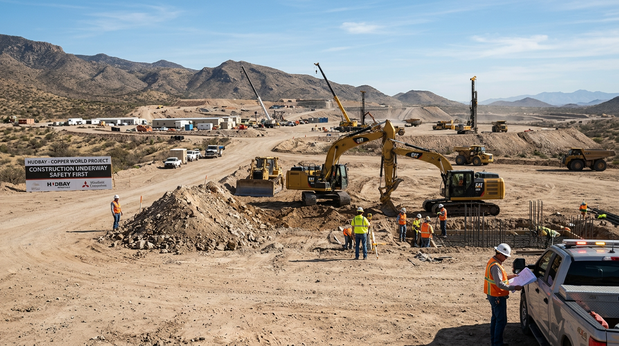
Moreover, enhancing the highway system presents opportunities for job creation within the construction and engineering sectors. As projects are initiated to repair and modernize these roads, skilled workers will be needed to carry out the work, contributing to local economies. This investment in human capital not only addresses immediate infrastructure needs but also fosters a workforce equipped for future challenges.
The discussion surrounding highway upgrades is also tied to broader themes of sustainability and energy efficiency. Modernizing the infrastructure can incorporate new technologies and materials that support environmentally friendly practices. For instance, integrating smart technology into traffic management systems can optimize traffic flow and reduce emissions, aligning with national goals for cleaner transportation.
While the call for upgrades may come with challenges, including funding and project management, it underscores a collective recognition of the importance of infrastructure to American industry. States and local governments are already exploring various funding mechanisms, including federal assistance and public-private partnerships, to support these essential upgrades.
As the nation reflects on the legacy of the Interstate Highway System, the focus shifts to its future. The potential for improvements not only promises to enhance transportation efficiency but also serves as a reminder of the ongoing commitment to maintaining and modernizing critical infrastructure. This proactive approach could help ensure that the highway system continues to meet the needs of a growing economy and population.
In conclusion, the acknowledgment of the need for upgrades to the Interstate Highway System marks a significant step toward enhancing American infrastructure. By addressing these challenges, there is an opportunity to strengthen the foundation of the nation’s transportation network, ultimately benefiting communities and industries across the country.