
The Interstate Highway System, a cornerstone of American infrastructure since its inception in 1956, is celebrating its 70th anniversary amid growing calls for modernization. This extensive network, which has played a crucial role in shaping the nation’s economy and facilitating the movement of goods and people, now faces significant challenges that underscore the need for upgrades to support contemporary demands.
As the backbone of the U.S. transportation system, the Interstate Highway System has been instrumental in boosting American industry. It connects urban centers with rural areas, enabling efficient supply chains that are vital for businesses across various sectors. However, many of these highways are showing signs of wear, with deteriorating conditions that can impede not only transportation but also economic productivity. The need for investment in repairs and enhancements is becoming increasingly apparent as traffic congestion and safety concerns grow.
Recent studies highlight that more than 40% of the nation’s highways are in poor or mediocre condition. This deterioration poses risks not only to motorists but also to the efficiency of freight transport, which is essential for the timely delivery of goods. Upgrading the Interstate system could help alleviate these issues, contributing to the reliability and resilience of supply chains that are crucial for American businesses.
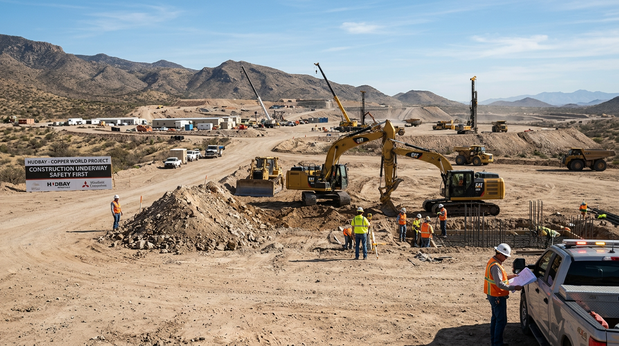
Furthermore, the modernization of the highway system could also support job creation in construction and related industries. Investments in infrastructure have historically led to significant employment opportunities, providing skilled workers with jobs that contribute to local economies. As states and municipalities consider funding for these upgrades, the potential for job growth and economic revitalization becomes a key aspect of the conversation.
In addition to repairing existing infrastructure, there is a growing emphasis on integrating new technologies into the highway system. This includes the implementation of smart traffic management systems and electric vehicle charging stations, which could enhance efficiency and support the transition to cleaner energy sources. Such advancements align with broader trends in sustainability and innovation, which are increasingly important to both consumers and businesses.
The celebration of the Interstate Highway System’s 70th anniversary serves as a reminder of its historical significance and the ongoing need for investment in infrastructure. As American industries evolve and the demands on transportation systems change, ensuring that the highways remain capable of supporting these needs is essential. The calls for upgrades reflect a recognition of the importance of maintaining and enhancing this critical network.
Looking ahead, the dialogue surrounding the future of the Interstate Highway System is likely to continue gaining momentum. Policymakers, industry leaders, and community stakeholders are increasingly recognizing that proactive measures are necessary to ensure that the highway system can meet the challenges of the 21st century. By addressing the current deficiencies and investing in modernization, the U.S. can bolster its economic infrastructure and enhance the quality of life for its citizens.
In conclusion, as the Interstate Highway System marks its 70th year, the emphasis on upgrades and modernization highlights a constructive path forward. This initiative not only promises to improve transportation efficiency but also stands to support American industry and create opportunities for workers, thereby reinforcing the vital role of infrastructure in the nation’s economic framework.