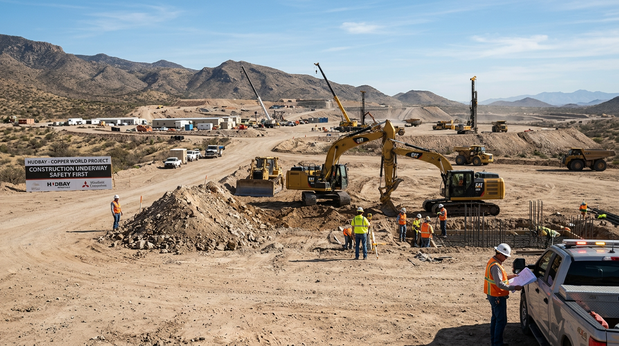

The Society for Mining, Metallurgy & Exploration (SME) has expressed support for a recent announcement regarding a $3 billion investment aimed at bolstering mining education and workforce development in the United States. This initiative, highlighted during a Presidential roundtable, includes over $180 million specifically designated for education programs related to mining and critical minerals. The investment reflects a growing recognition of the importance of skilled labor in the mining sector, which is essential for sustaining American industry and ensuring a reliable supply of critical materials.
The allocation of funds is expected to enhance degree programs focused on mining and critical minerals, addressing a vital need for trained professionals in the field. As industries increasingly depend on these resources, the demand for knowledgeable workers is likely to rise. By investing in education and workforce training, this initiative could help strengthen the domestic mining industry while also providing pathways for individuals seeking careers in this essential sector.
Mining plays a crucial role in the American economy, supporting various industries, including technology, construction, and energy. The focus on critical minerals is particularly significant, as these materials are integral to the production of batteries, electronics, and renewable energy systems. By developing a skilled workforce capable of extracting and processing these minerals, the U.S. can enhance its self-sufficiency and reduce reliance on foreign sources.
The funding for education and workforce development is part of a broader strategy to modernize the mining sector, which has faced challenges in recent years, including fluctuating market demands and environmental concerns. Addressing these issues through education can lead to more sustainable mining practices and improved operational efficiency. This approach not only benefits the industry but also aligns with community interests in responsible resource management.
Furthermore, the investment underscores a commitment to innovation in mining practices. By equipping the next generation of mining professionals with the latest knowledge and technologies, the sector can adapt to changing market conditions and environmental regulations. This adaptability is crucial for ensuring long-term viability and competitiveness in the global market.
The initiative also highlights the importance of collaboration between government, educational institutions, and industry stakeholders. Such partnerships can foster a more robust educational framework that aligns with the needs of the mining sector, ensuring that graduates are well-prepared to enter the workforce. This collaborative approach could serve as a model for other industries seeking to address workforce shortages and skill gaps.
While challenges remain, such as the need for ongoing funding and support for these programs, the overall investment signifies a proactive step toward enhancing the mining workforce in the U.S. By prioritizing education and training, the initiative positions the industry for future growth and resilience.
In conclusion, the $3 billion investment in mining education and workforce development represents a significant move toward strengthening the American mining industry. By focusing on critical minerals and workforce training, this initiative not only addresses current labor needs but also lays the groundwork for a more sustainable and self-sufficient future in mining. As the industry evolves, the emphasis on skilled workers will be crucial for meeting the demands of a changing global landscape.