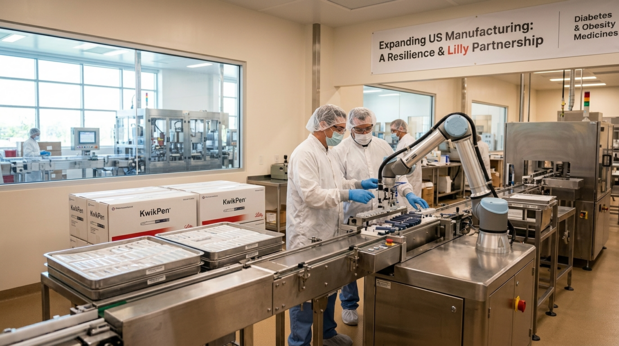
Resilience and Eli Lilly have announced a significant investment of $750 million aimed at enhancing the production capabilities of Lilly’s KwikPen, an injectable device used for diabetes and obesity medications. This move marks a proactive step toward strengthening domestic pharmaceutical manufacturing and addressing the increasing demand for these essential treatments in the United States.
The investment will primarily focus on upgrading and expanding the production facilities in Cincinnati, Ohio. By bolstering the manufacturing infrastructure, Resilience and Lilly aim to ensure a more reliable supply of these critical medicines. This is particularly important as the prevalence of diabetes and obesity continues to rise, necessitating a robust supply chain to meet patient needs effectively.
In recent years, the pharmaceutical industry has faced various challenges, including supply chain disruptions and increased demand for certain medications. This investment reflects an ongoing commitment to not only stabilize production but also enhance the resilience of the U.S. healthcare system. By increasing the local production capacity for the KwikPen, Lilly and Resilience are positioning themselves to better meet the needs of patients while also contributing to the overall stability of the pharmaceutical supply chain.
Moreover, the expansion is expected to create new jobs in the region, supporting local communities and the skilled workforce. As production ramps up, there will likely be a demand for various roles, from manufacturing technicians to quality assurance specialists. This can help foster an environment of job growth and skills development in the area, reinforcing the importance of investing in local talent.
The decision to invest in U.S. manufacturing also aligns with broader trends in the pharmaceutical industry, where companies are increasingly focusing on domestic production capabilities. This shift is not only a response to recent supply chain vulnerabilities but also a strategic move to ensure that essential medicines are readily available to American patients. By enhancing local production, Lilly and Resilience are contributing to a more self-sufficient healthcare framework.
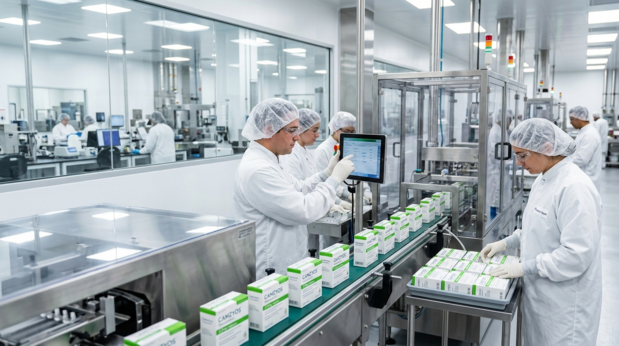
Additionally, this investment underscores the importance of innovation in the pharmaceutical sector. As the industry continues to evolve, advancements in production technology and processes will be essential for meeting future healthcare challenges. The enhancements planned for the Cincinnati site will likely incorporate modern manufacturing techniques, which can improve efficiency and reduce costs in the long run.
Overall, the $750 million investment by Resilience and Lilly to increase the production of the KwikPen is a significant development for the U.S. pharmaceutical landscape. It reflects a commitment to domestic manufacturing, addresses critical healthcare needs, and supports local economies through job creation. As these enhancements unfold, they will not only benefit patients who rely on these medications but also strengthen the overall resilience of the pharmaceutical supply chain in the United States.
This initiative exemplifies how strategic investments in production capabilities can lead to meaningful improvements in healthcare access and reliability, ensuring that essential medicines are available when they are needed most.