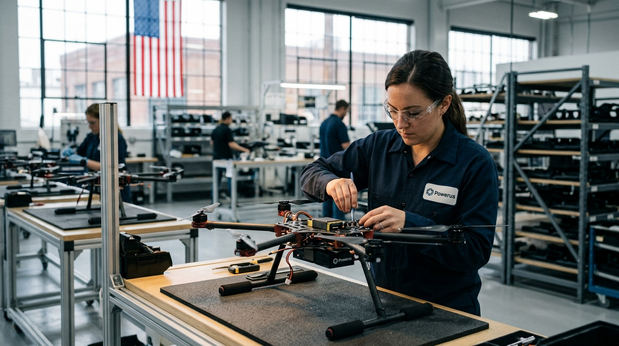
Brett Velicovich, co-founder of Powerus and a U.S. Army veteran, is leading an initiative to localize drone manufacturing in the United States. This effort not only aims to enhance the domestic production capacity of unmanned aerial vehicles (UAVs) but also holds potential significance for American industry and skilled labor in the defense sector.
Powerus is focused on establishing an end-to-end drone manufacturing process within the U.S., which could streamline supply chains that have been challenged in recent years. By localizing production, the company intends to reduce dependency on overseas suppliers, thereby increasing reliability and responsiveness to military needs. This shift could also bolster the U.S. defense manufacturing landscape, which has increasingly sought to modernize and adapt to new technological demands.
The move to bring drone manufacturing stateside reflects a growing trend among American companies to invest in domestic capabilities. As geopolitical tensions rise, there is an increasing recognition of the importance of maintaining robust local production lines. Velicovich’s background as a veteran adds a unique perspective to this initiative, emphasizing the need for innovation and security in defense manufacturing.
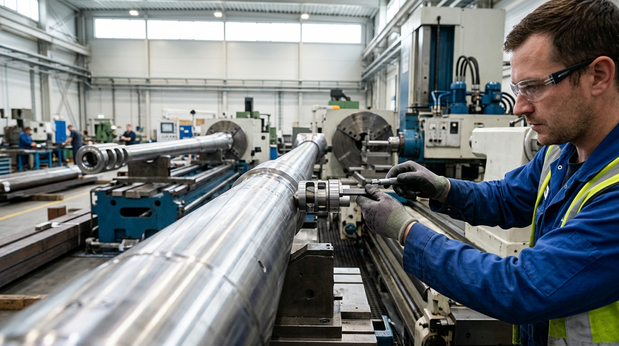
Powerus’s strategy includes not only the production of drones but also the development of a skilled workforce capable of supporting advanced manufacturing techniques. The company plans to create jobs that require specialized training, which could enhance the local economy and provide career opportunities for individuals interested in skilled work. This focus on workforce development aligns with broader efforts in the U.S. to invest in education and training programs that prepare workers for high-demand roles in technology and manufacturing.
While challenges such as initial capital investment and competition from established manufacturers exist, the potential for growth in the drone sector remains significant. The global drone market is projected to expand rapidly, driven by advancements in technology and increasing applications in both defense and commercial sectors. By positioning itself within this growing market, Powerus could not only contribute to national security but also tap into a lucrative industry that supports innovation.
Furthermore, the localization of drone manufacturing aligns with national interests in enhancing supply chain resilience. Recent disruptions in global supply chains have highlighted vulnerabilities, prompting many industries to reconsider their sourcing strategies. Powerus’s commitment to domestic production could serve as a model for other sectors seeking to build more robust and reliable supply chains.
In conclusion, Powerus’s initiative to localize drone manufacturing in the U.S. underscores a significant shift towards strengthening domestic production capabilities in the defense sector. By fostering a skilled workforce and addressing supply chain challenges, this effort could contribute positively to American industry and the local communities involved. As the company moves forward, it not only reflects a proactive approach to national defense needs but also signals a broader commitment to investing in American manufacturing and skilled labor.