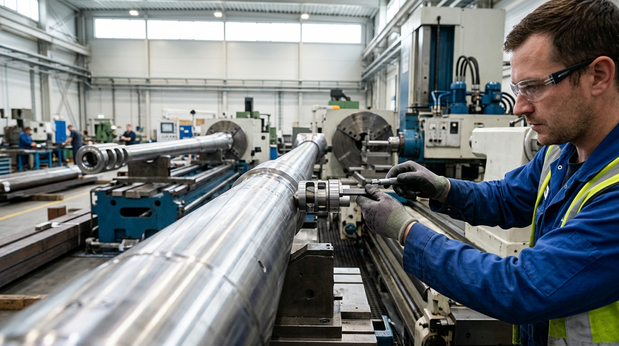
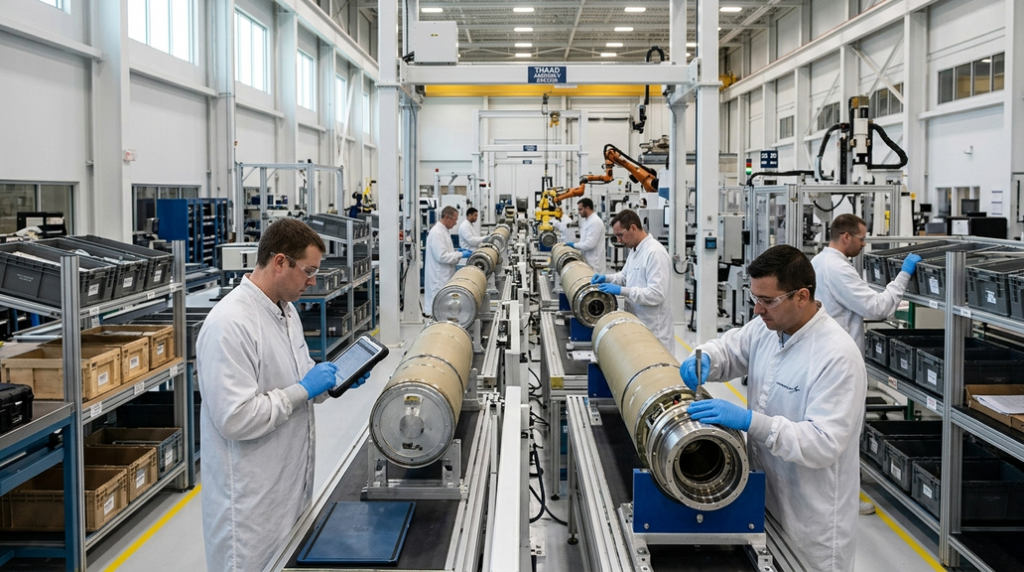
Lockheed Martin has been awarded a seven-year contract valued at up to $35 billion by the U.S. Department of Defense to dramatically increase production of the Terminal High Altitude Area Defense (THAAD) missile interceptors. The deal will quadruple annual output from 96 interceptors to 400, reflecting a significant ramp-up in U.S. missile defense manufacturing capacity in response to evolving national security demands.
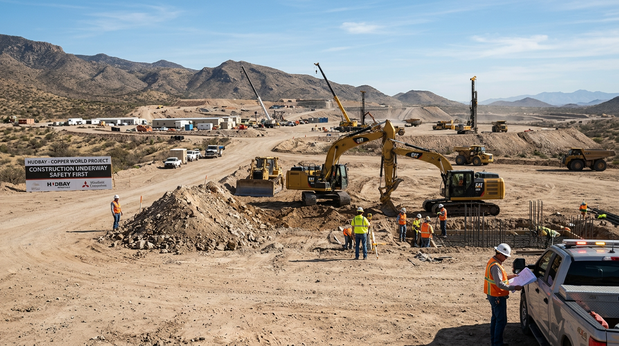
Under the contract, which spans from March 2026 through June 2032, Lockheed Martin will accelerate production efforts across multiple facilities, including plants located in Dallas, Texas; Sunnyvale, California; Troy, Alabama; and Camden, Arkansas. The company is also investing heavily in manufacturing infrastructure, including constructing a Munitions Acceleration Center in Camden and a new production facility called ‘Building 47’ in Troy. These new investments, totaling over $9 billion through 2030, aim to expand the supply chain and workforce supporting THAAD missile production.
The THAAD system is a cornerstone of the U.S. layered missile defense architecture designed to intercept short-, medium-, and intermediate-range ballistic missiles in their terminal phase using hit-to-kill technology. Increasing interceptor production capacity addresses the need to replenish and expand the arsenal amid growing missile threats from potential adversaries worldwide.
Initial funding of approximately $842.9 million has been obligated for fiscal year 2026 as the Department of Defense moves to ensure accelerated delivery of these missile defenses. The contract is classified as an undefinitized contract action, meaning the full funding and final terms are contingent on Congressional approval.
This agreement marks a continuation and expansion of earlier framework arrangements made earlier in 2026, emphasizing the strategic priority placed on missile defense capabilities within the U.S. military modernization and readiness efforts.
The ramp-up in THAAD interceptor manufacturing also has regional industrial and workforce implications. The increased production load supports jobs at multiple Lockheed Martin factories and their supplier networks, particularly in the states hosting the expanded facilities in Texas, California, Alabama, and Arkansas. The large-scale investment in new production facilities signals confidence in sustained defense manufacturing demand in the coming decade.
As geopolitical tensions remain high in regions including East Asia and the Middle East, this contract underscores the Pentagon’s commitment to strengthening the nation’s defensive capabilities through enhanced production capacity of key missile defense systems. Lockheed Martin’s expanded THAAD production represents a critical step in maintaining technological and operational advantages in missile defense.