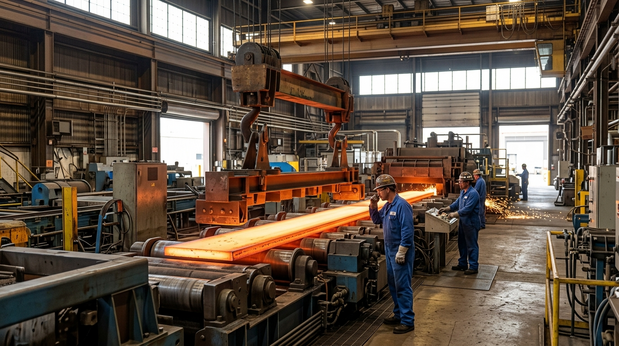
In the week ending July 4, 2026, the United States saw a 0.8% increase in raw steel production, according to the American Iron and Steel Institute (AISI). This modest uptick is indicative of ongoing growth in the domestic manufacturing sector, which is crucial for both industry and local economies. The rise in production may reflect an increased demand for steel across various applications, signaling a positive trend for American industry.
The increase in steel production is particularly relevant as it comes at a time when the U.S. steel industry is navigating a complex landscape of demand and supply. Factors such as infrastructure investments and legislative support, including the CHIPS Act, are expected to further bolster demand for steel in the coming months. This could lead to additional production increases, which would not only support the manufacturing sector but also create job opportunities in steel-related industries.
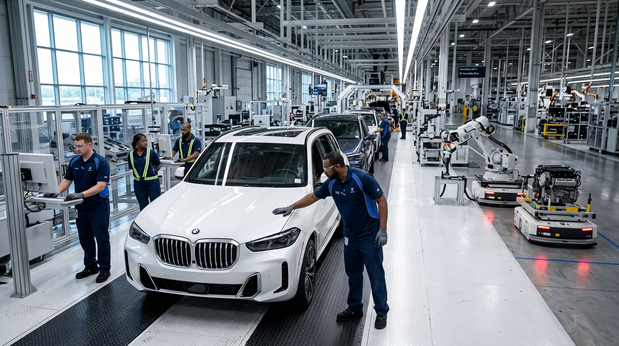
Steel is a foundational element in many sectors, including construction, automotive, and energy. As infrastructure projects ramp up across the country, the need for steel is likely to rise, ensuring that domestic producers remain competitive. The recent increase in production underscores the resilience of the U.S. steel industry and its ability to adapt to changing market conditions.
Moreover, the steel industry plays a vital role in the supply chain, affecting everything from raw materials to finished products. The current production increase contributes to a more reliable supply chain by ensuring that domestic steel is available for manufacturers who rely on it. This reliability is crucial as businesses aim to meet consumer demand without facing delays caused by overseas supply chain disruptions.
While challenges such as global competition and fluctuating raw material prices remain, the current production figures suggest that the industry is making strides toward greater stability. The 0.8% increase in production could be a sign of a longer-term trend, as manufacturers invest in modernizing facilities and improving production efficiency. This modernization not only enhances production capacity but also supports sustainability efforts within the industry.
As American steel production continues to rise, it reflects a broader trend of revitalization within the manufacturing sector. Increased investment in technology and infrastructure is helping to strengthen the industry’s competitive edge. This trajectory not only benefits steel producers but also supports workers and communities that depend on these industries for employment and economic stability.
In conclusion, the recent increase in raw steel production is a noteworthy development for the U.S. manufacturing landscape. It highlights the ongoing efforts to enhance domestic production capabilities and underscores the importance of steel in supporting various sectors of the economy. As the industry continues to evolve, these production gains could play a significant role in fostering a more resilient and competitive American manufacturing sector.