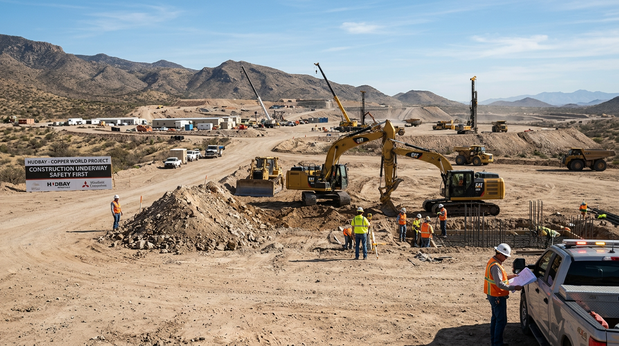
The industrial boom is real. Manufacturing construction spending hit a record $238 billion in 2024. New facilities are rising across Indiana, Ohio, Tennessee, and upstate New York. The ISM Manufacturing PMI has posted three consecutive months of expansion through early 2026, and industrial production has reached its highest level since 2019. But inside plant after plant across the heartland, a quieter crisis is taking shape: the jobs are going unfilled, and the skills to do them are in dangerously short supply.
As of April 2026, there were 477,000 unfilled positions in American manufacturing, according to the Department of Labor’s latest Job Openings and Labor Turnover survey. The National Association of Manufacturers reports that the average producer now has more than four percent of positions vacant, with one in four reporting vacancy rates above five percent. Over the next decade, an estimated 3.8 million manufacturing jobs will need to be filled, and nearly half, 1.9 million, are projected to go unfilled if the workforce pipeline is not rebuilt.
What makes these numbers particularly significant is what manufacturers themselves say is driving them. The 2025 USA Reshoring Survey asked 500 American producers what single change would bring the most offshore production back to American soil. The answer was not tariffs, not tax cuts, not a weaker dollar. It was workers. Producers said they would reshore 30 percent of products currently manufactured abroad if the skilled domestic labor existed more than any trade or tax policy on offer. Workforce is the number one reshoring lever, and it is the one receiving the least attention.
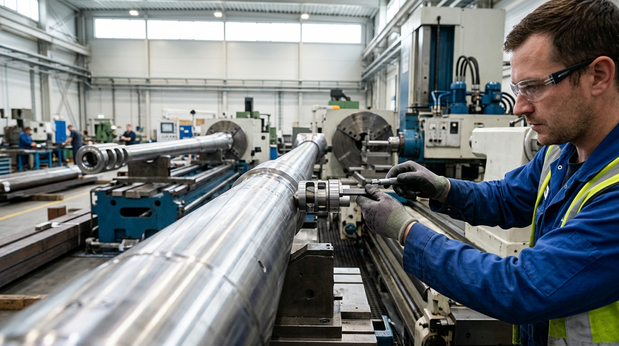
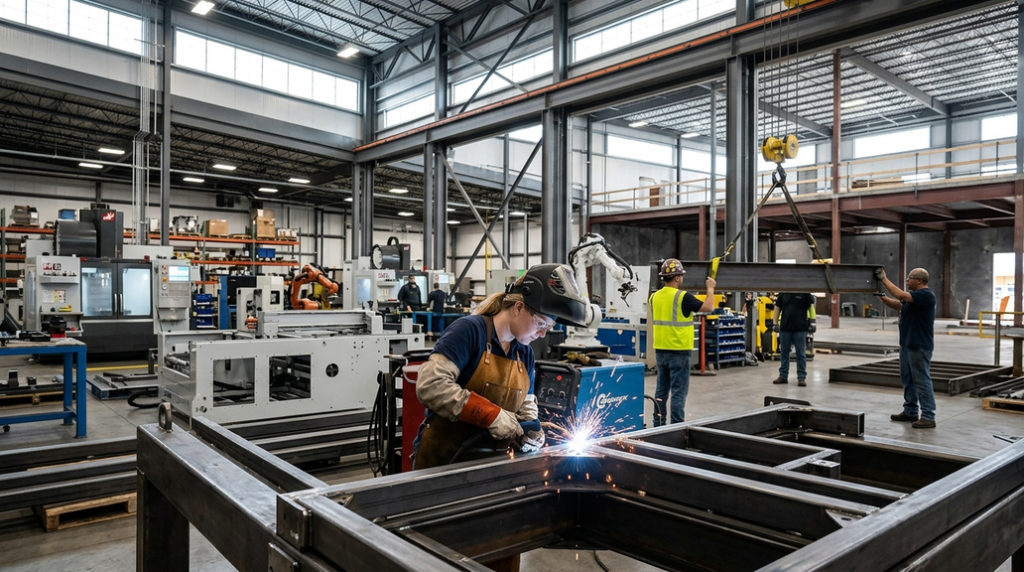
This is not simply a numbers problem. It is a skills problem, and the distinction matters. The new facilities being built today are not the plants that left a generation ago. Fully 88 percent of reshoring jobs added in 2024 were classified as high-tech or medium-high-tech. Controls engineers, automation technicians, CNC programmers, and robotics integration specialists are the hardest roles to fill, with active searches regularly stretching past 60 days. Meanwhile, average hourly earnings for production workers crossed $30 for the first time in April 2026, and total manufacturing compensation averaged $106,691 last year, well above the private-sector average of $90,601. The work is good work. The pipeline connecting willing workers to it is the problem.
The encouraging news is that the response is already taking shape, driven by companies and communities rather than Washington. In Indiana, Ivy Tech Community College built a direct talent pipeline into the StarPlus Energy battery plants before the facilities even opened, placing local high school seniors on the production floor through work-based learning programmes and transitioning them into full-time skilled roles after graduation. The Department of Labor’s new American Manufacturing Apprenticeship Incentive Fund is paying employers $3,500 per new apprentice hired, specifically targeting smaller firms that lack the resources to build programmes alone. Google has committed $10 million to the Manufacturing Institute for AI skills training for shop-floor workers. These are not charity initiatives. They are the architecture of a workforce the boom cannot afford to be without.
Demand is real. Investment is real. The factories are real. Whether the workforce follows is the defining industrial question of the next decade and the answer will be found not in trade negotiations or legislative chambers, but in community colleges, apprenticeship shops, and high school career programmes across the industrial heartland.