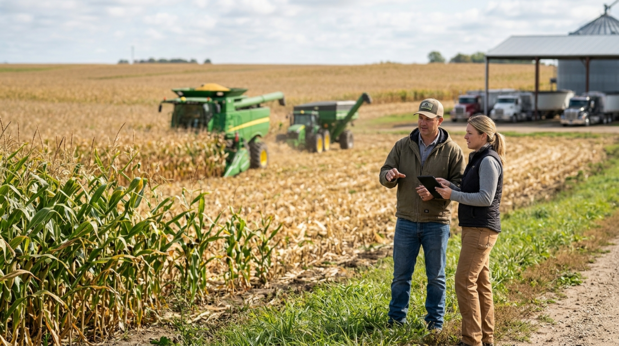
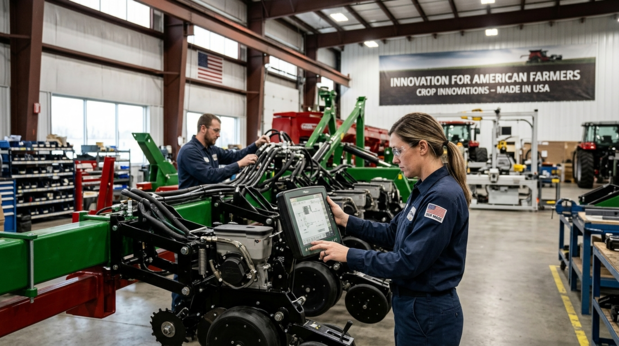
American agriculture is experiencing a notable transformation, driven by innovations from domestic companies that are enhancing productivity and efficiency. Recent insights from CropLife highlight how American-made equipment and technology are not only benefiting farmers but also supporting retailers in a competitive marketplace. This development underscores the vital role that innovation plays in strengthening the agricultural sector and its workforce across the United States.
These advancements in agricultural technology include precision farming tools, advanced irrigation systems, and data analytics platforms that enable farmers to optimize their operations. By adopting these innovations, farmers can increase yields while minimizing waste and resource use, which is essential in today’s economy where sustainability is increasingly prioritized. This trend reflects a broader commitment to enhancing agricultural practices, ensuring that American farmers can meet both domestic and global food demands.
Moreover, the integration of technology within agriculture supports the supply chain by improving the efficiency of production and distribution processes. Enhanced logistics capabilities allow for quicker response times to market changes and consumer needs, which is crucial for maintaining competitive pricing and availability. As a result, retailers also benefit from a more reliable supply of fresh produce, which can lead to increased consumer trust and satisfaction.
Investment in American agricultural innovations indicates a positive trajectory for the sector. Companies are increasingly focusing on research and development to create solutions tailored to the unique challenges faced by U.S. farmers. This investment not only fosters job creation within the industry but also enhances the skill sets of the workforce, preparing them for the future of agriculture that increasingly relies on technology.
As these innovations continue to proliferate, they also contribute to community resilience. Local economies benefit from the growth of agricultural enterprises, which often support ancillary businesses and services. By bolstering the agricultural sector, communities can enjoy improved economic stability and job security, which is particularly important in rural areas where such industries are often a primary source of employment.
While challenges remain, such as ensuring equitable access to these technologies and addressing potential environmental impacts, the ongoing advancements in American agriculture reflect a proactive approach to modern challenges. Stakeholders, including farmers, retailers, and policymakers, are increasingly collaborating to create sustainable solutions that support both productivity and environmental stewardship.
Ultimately, the focus on American-made agricultural innovations highlights the potential for growth and improvement within the industry. As these technologies continue to evolve, they promise to enhance the efficiency and competitiveness of American agriculture, benefiting not only the economy but also the communities that rely on this vital sector. The ongoing commitment to innovation serves as a reminder of the resilience and adaptability of American agriculture in the face of changing market dynamics.